Colonial ghosts, literary memory, and a place that refuses to be mapped
For lack of a better choice, I clicked on share location and chose Wuthering Heights when I first posted about this. Nothing could have been farther from the truth — the culture, the timeline, the universe, and the actual geography — all stood worlds apart. Yet, the name carried me back thirty years, to a summer when I spent nearly three months bedridden in a sixth-floor apartment in downtown Bucharest.
A shattered window had left me injured and bedridden, and reading became my only escape. Determined to “spice it up,” I picked English originals. The Mayor of Casterbridge was my first victory — proof that I could read, understand, and enjoy literature in another language. But its tangled plot lines left me craving a familiar heartbreak. So I returned to a novel I had already loved.
And there it was again: Wuthering Heights.
Years later, standing in the abandoned French Quarter of Dalat, Vietnam, that same story returned to me — uninvited, vivid, and overwhelming. We found the place without a guide, without directions, without signs, without help from locals. No Google Maps pin. No plaque. No information panel. Just intuition and chance.
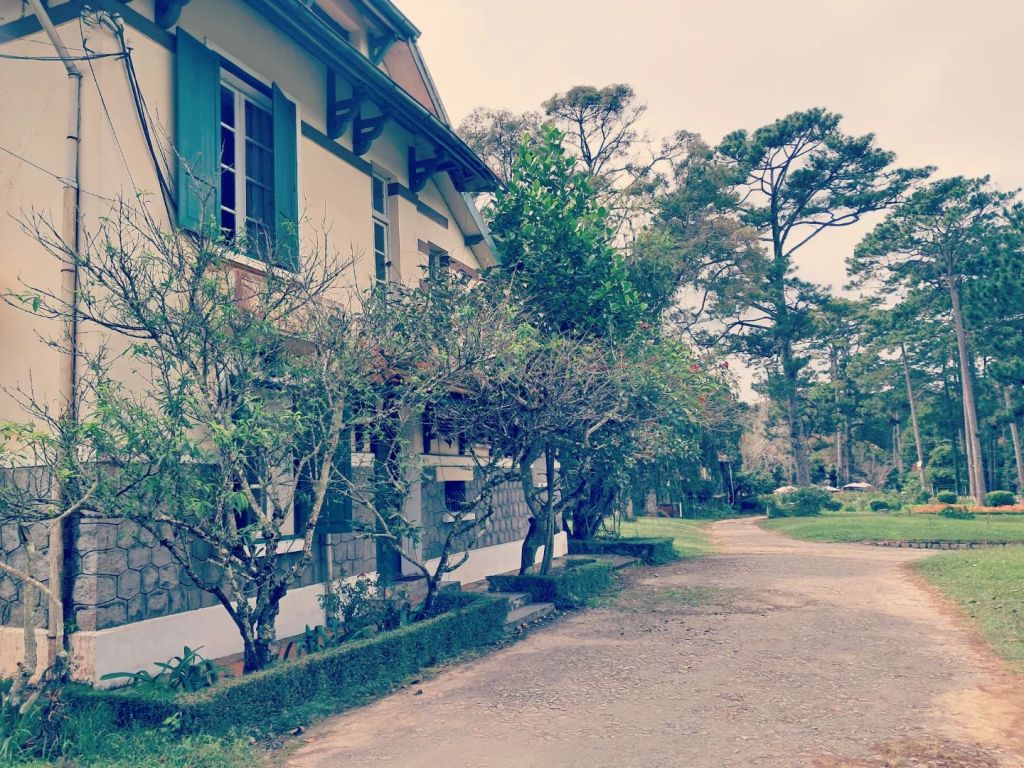
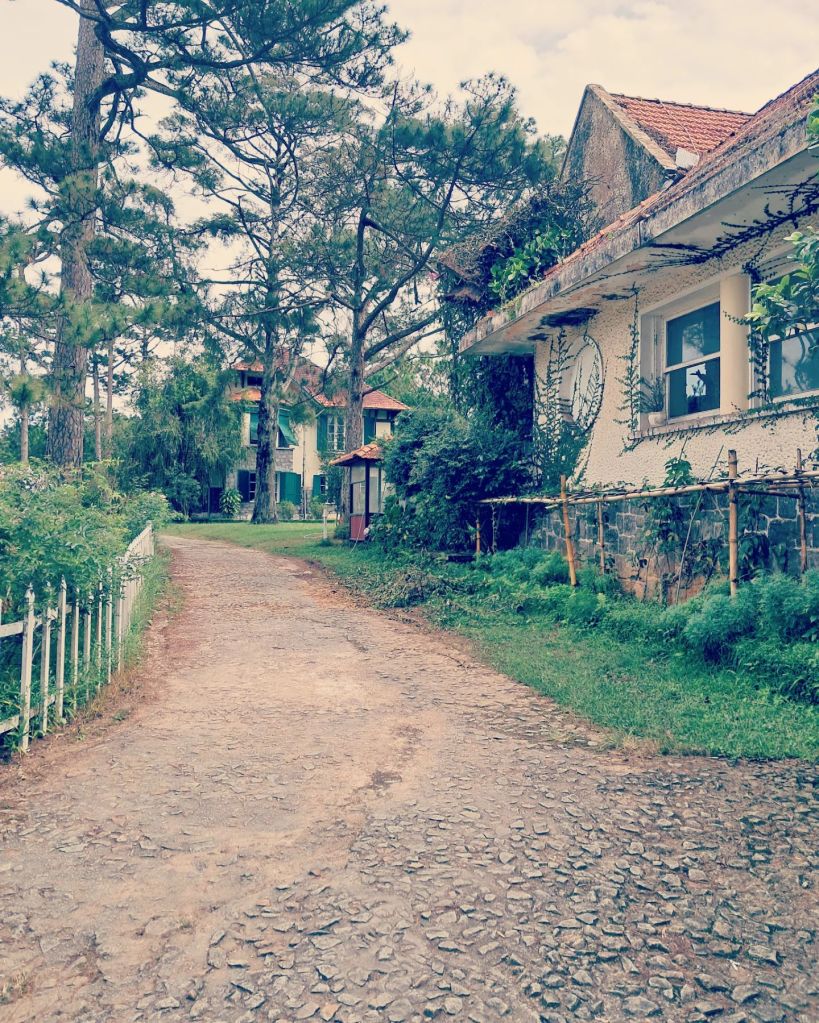
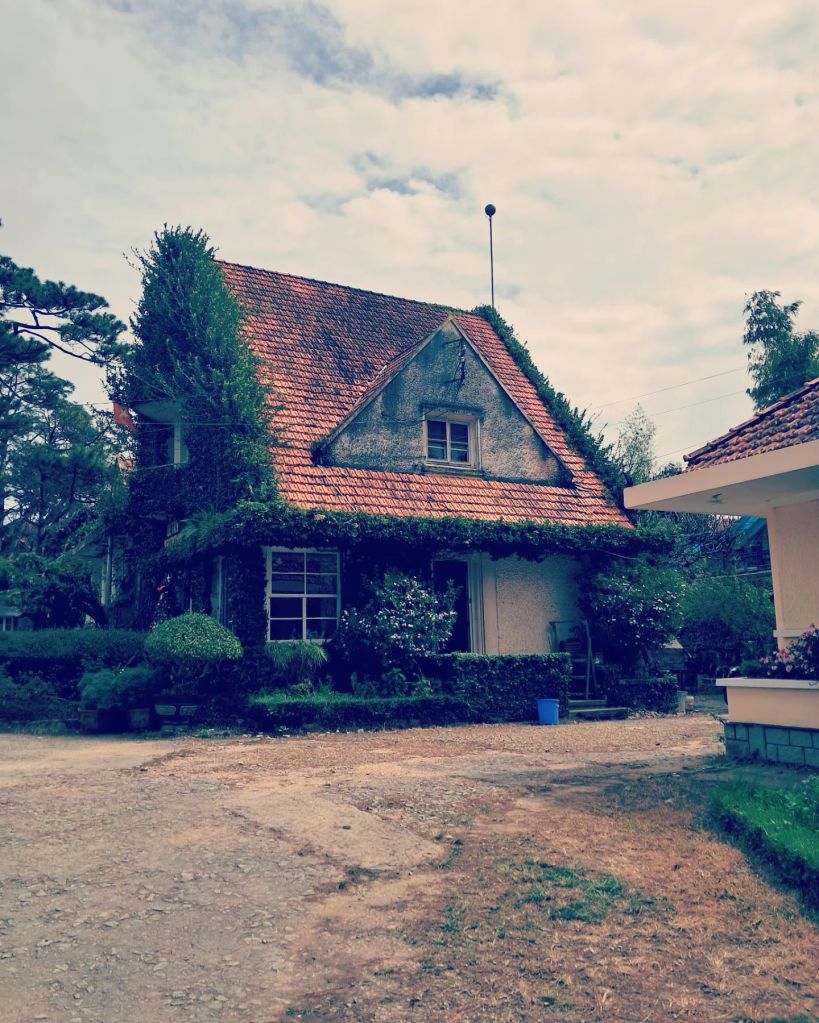
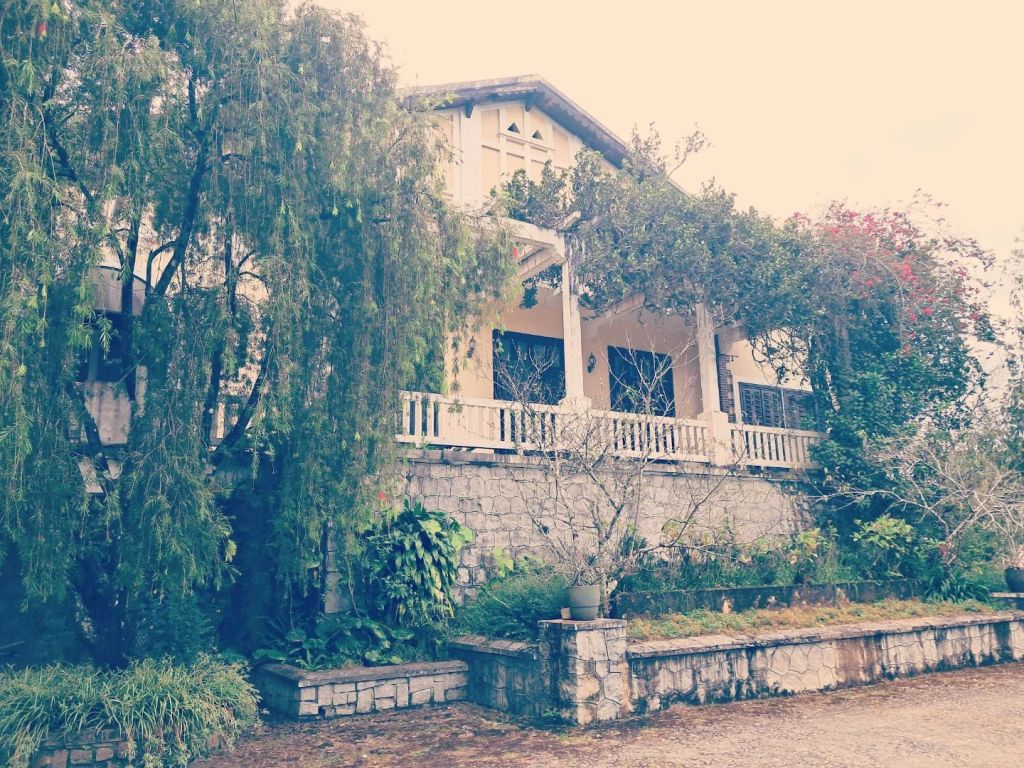
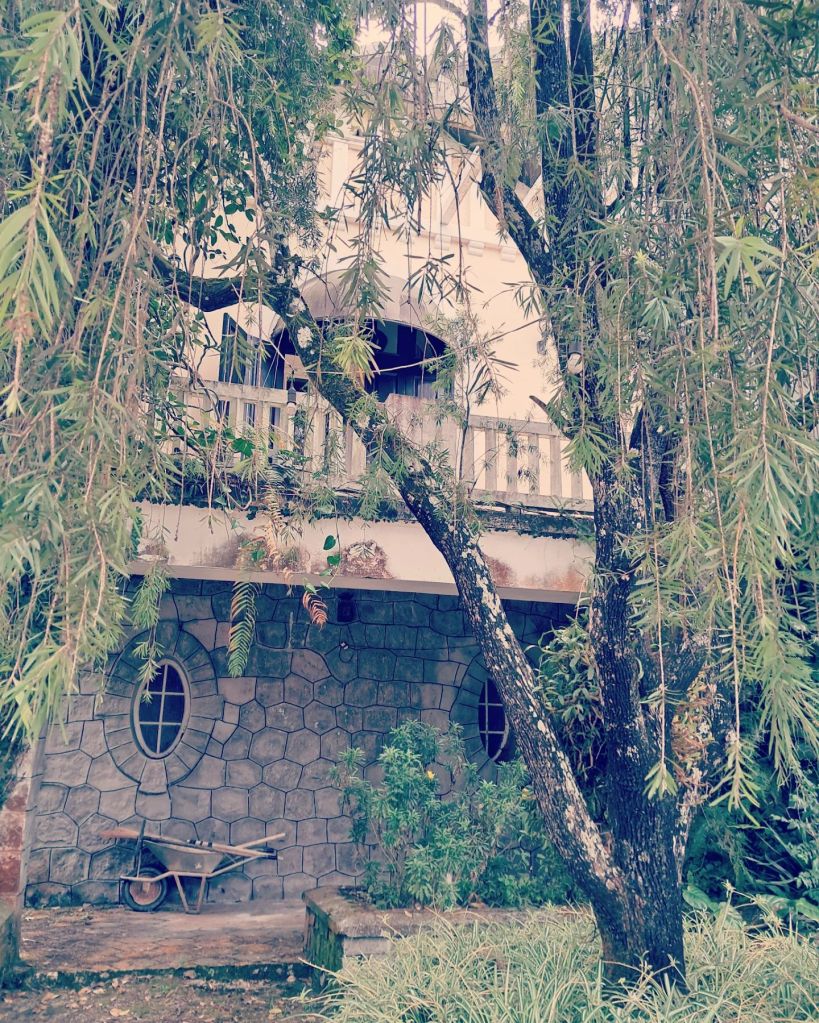

What is left of Dalat’s French Quarter — also called the French Village — felt like a physical echo of Emily Brontë’s imagined world. The mind’s eye brought me back to those stifling Bucharest nights when I would have traded anything to glimpse the mansion before it was consumed by Heathcliff’s madness, grief, and thirst for vengeance.
In my imagination, the scenes replayed in color:
What if Heathcliff had never left?
What if he had returned earlier — not bitter, not broken, not vengeful?
What if Cathy had admitted the unbearable truth of loving a man she could never fully choose?
A Colonial Wuthering Heights
In Dalat, what most resembled my imagined Wuthering Heights were not the moors, nor the storms, but the architecture:
- immense, hollow rooms
- unimaginably high ceilings
- heavy, imposing furniture
- hardwood floors
- canvas-wide windows
- endless corridors and echoing spaces
- ceiling-to-floor wooden shutters
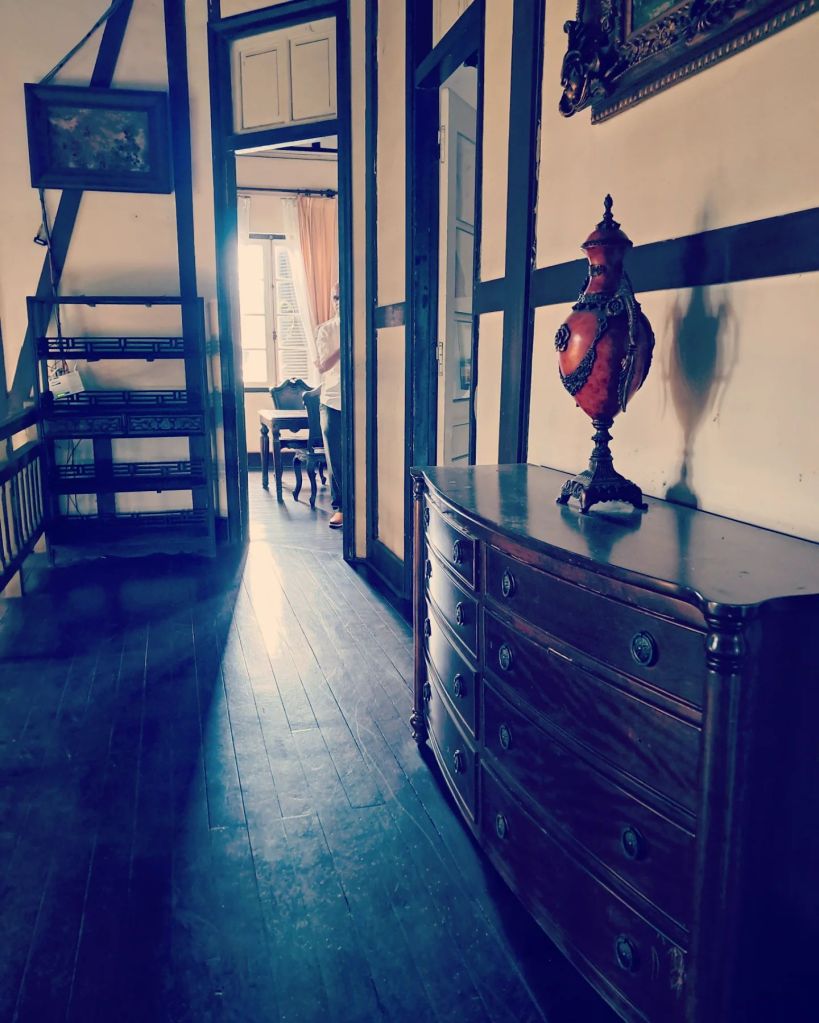
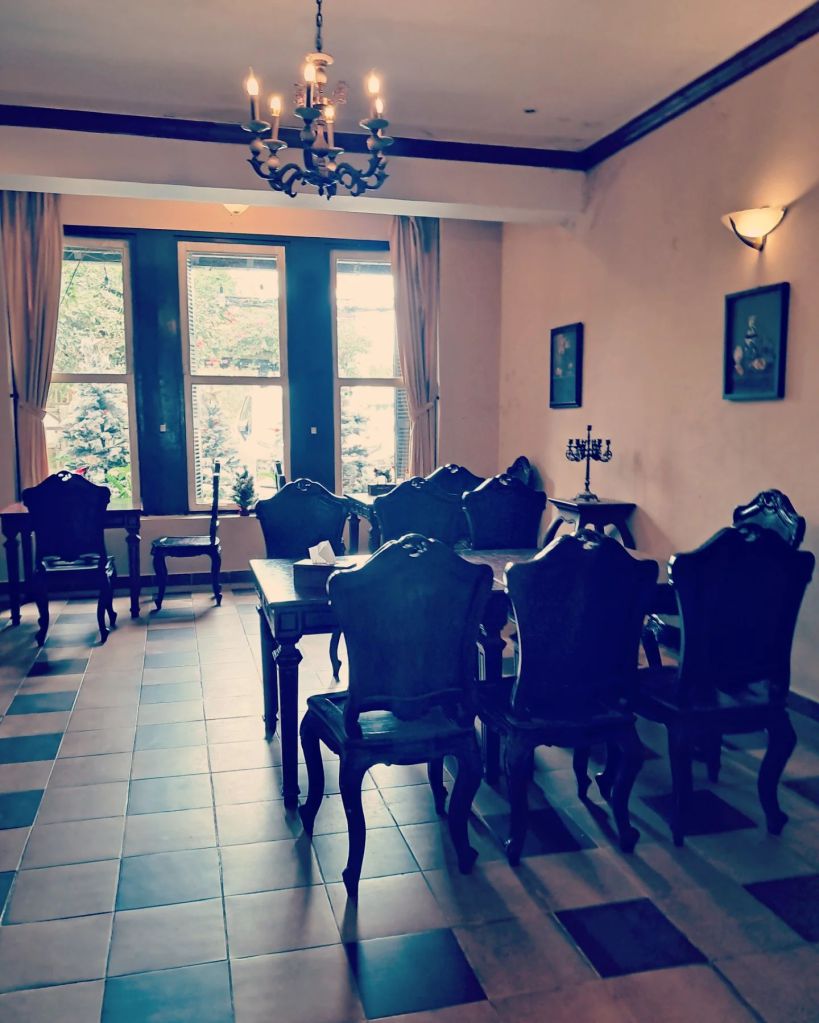
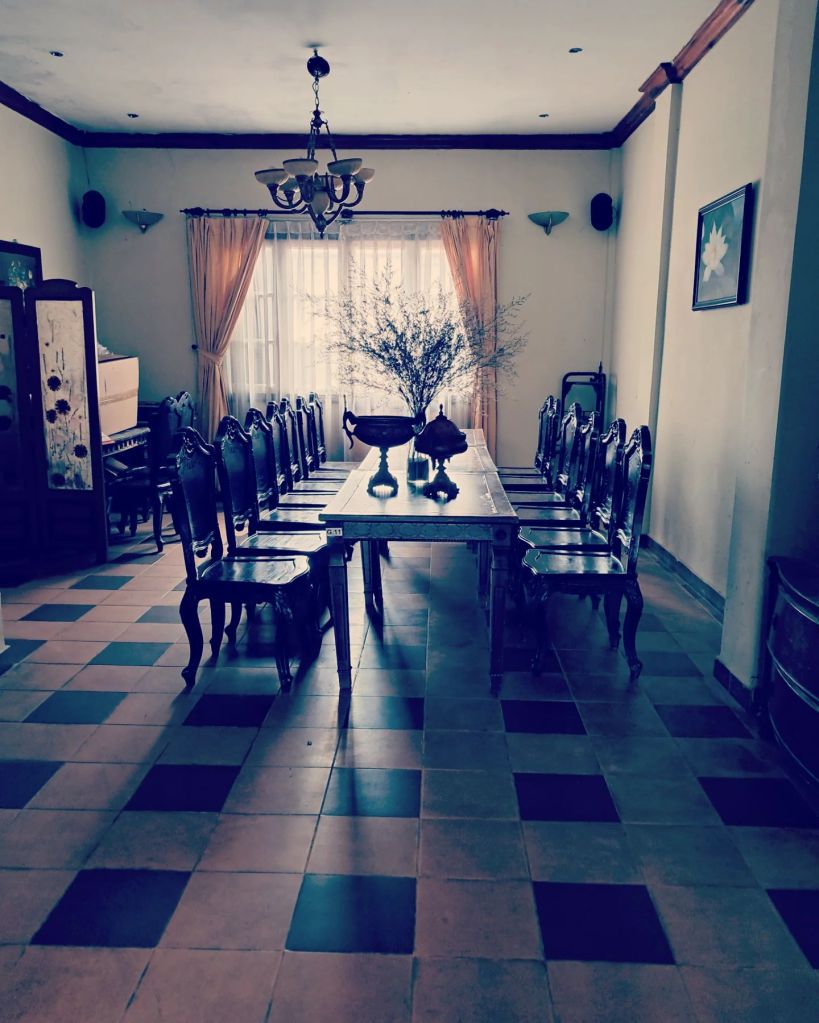
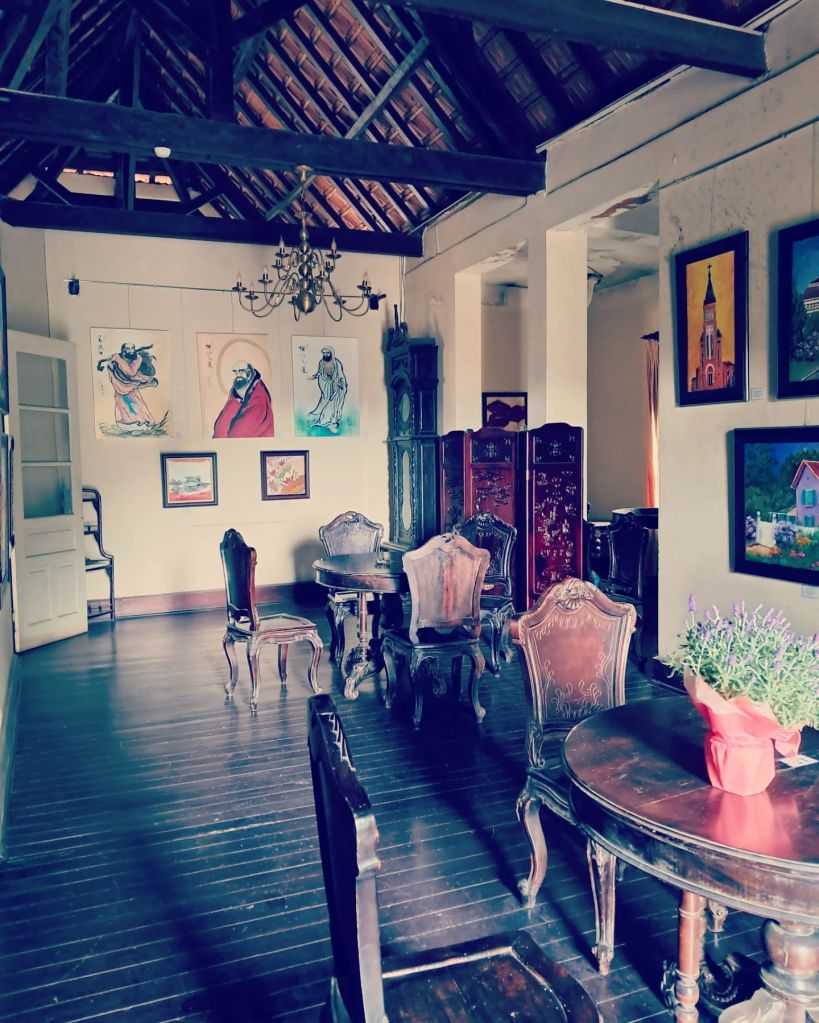

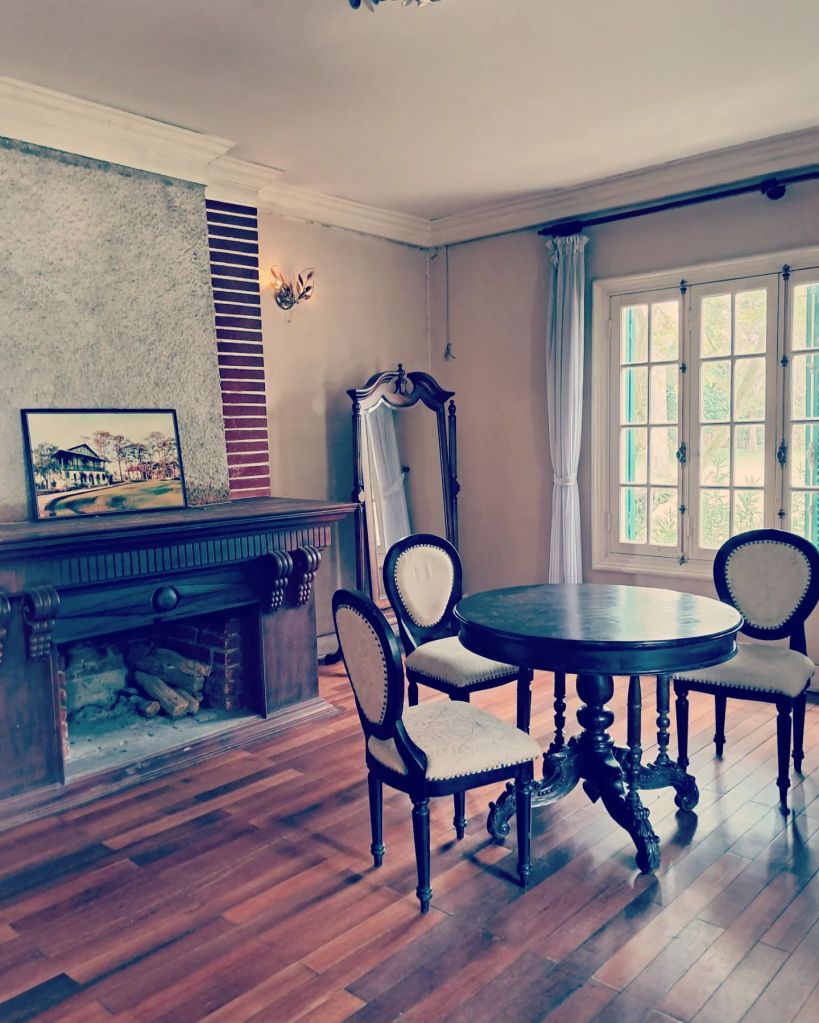
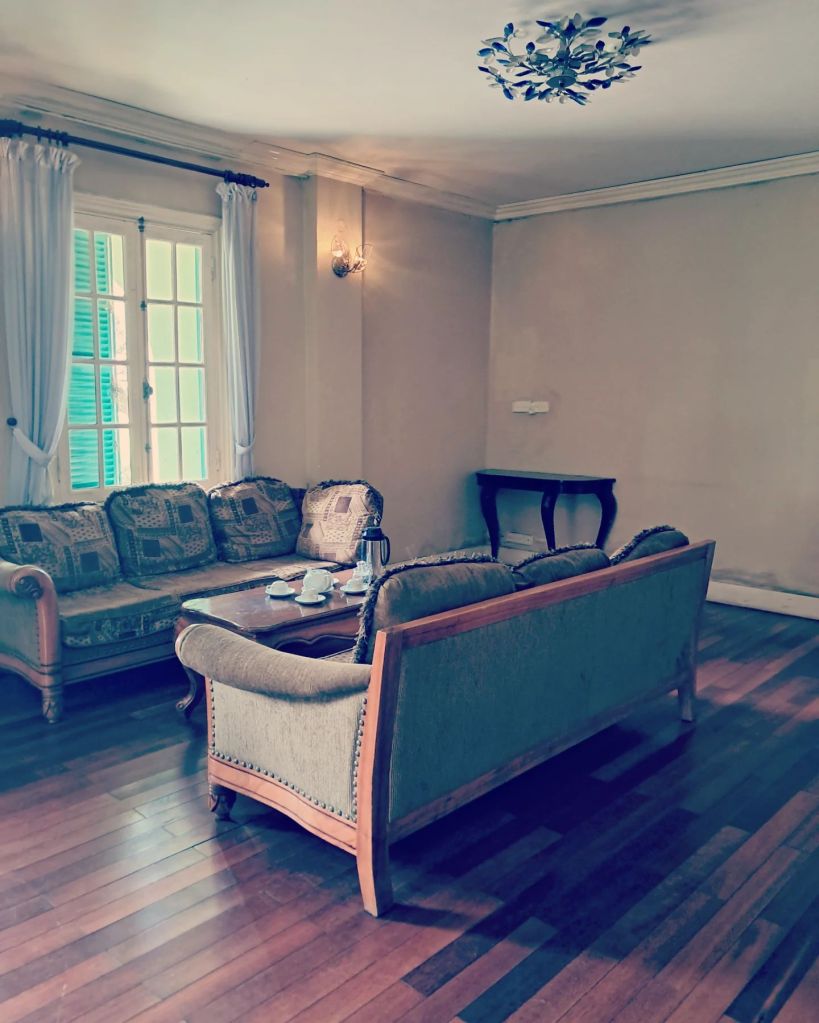

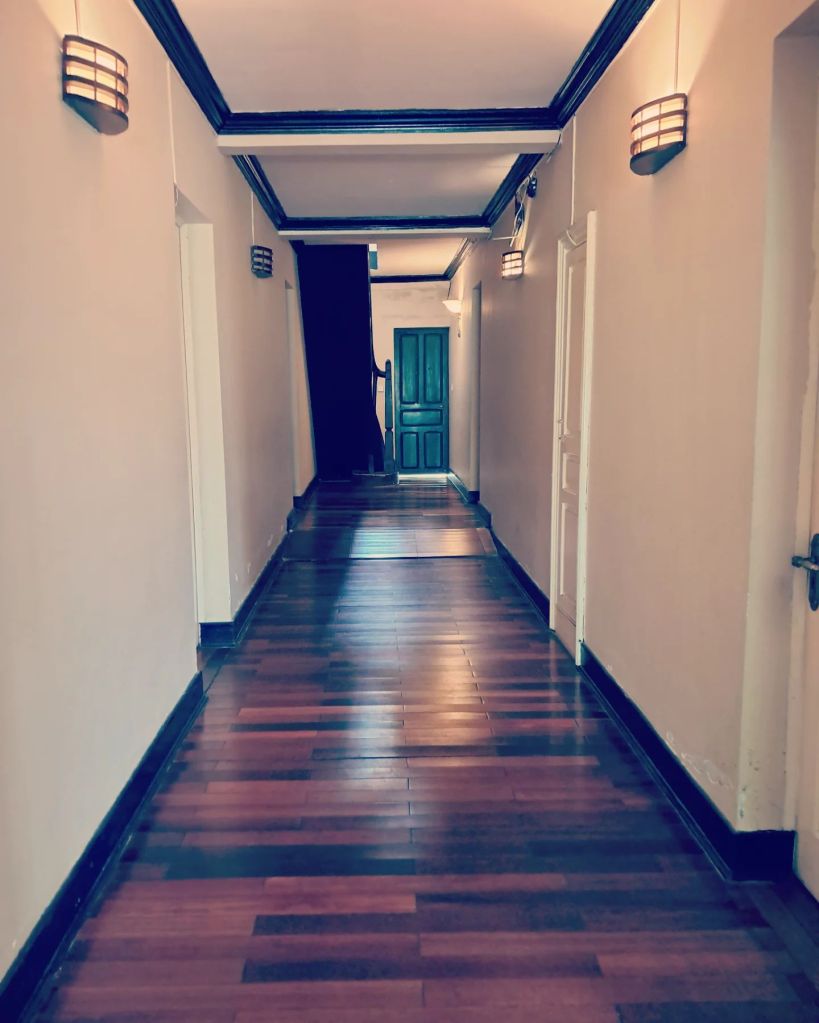
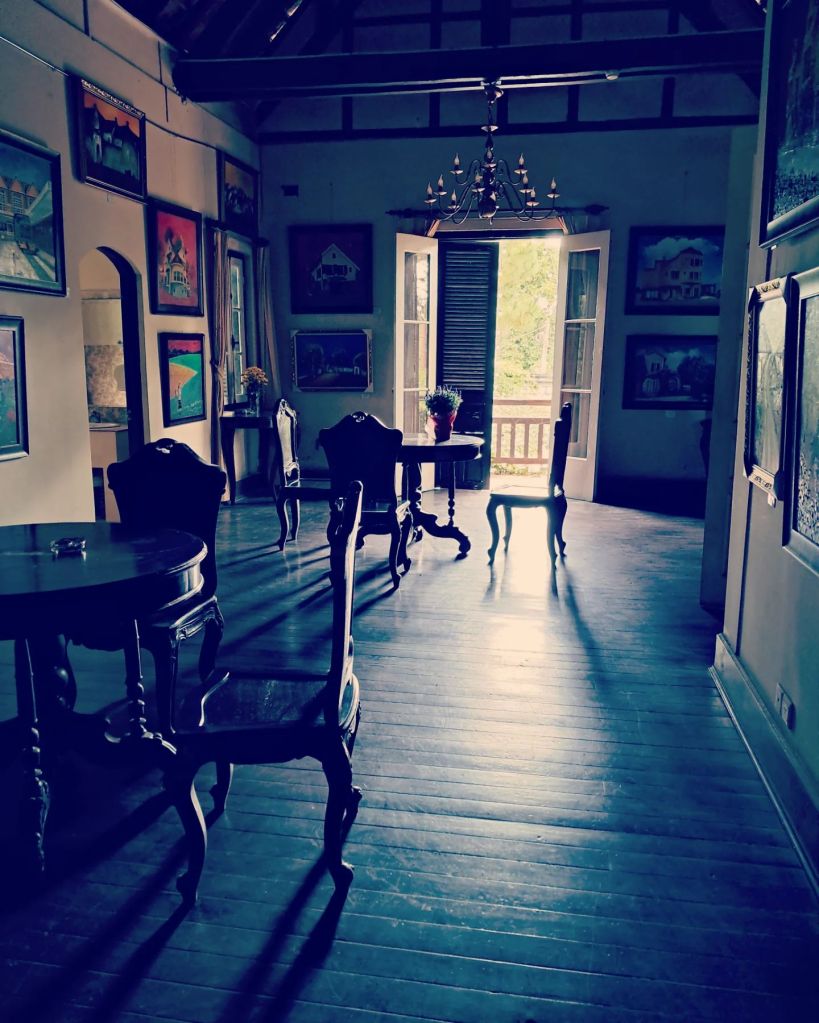
I felt as though I were walking through a house before tragedy had stained it — before grief imprinted itself on walls, colors, and shapes. Before despair entered the rooms and never left.
Physically, I could barely move.
Mentally, I was worlds away — wandering through corridors of memory, literature, and imagination.
Disrepair or Despair?
They say the colonial villas of Dalat’s French Quarter are in disrepair — victims of neglect, lack of investment, and fading interest. But I believe something else lives there too: despair.
Perhaps it is historical payback — the slow decay of imperial grandeur after decades of colonial oppression. Perhaps it is indifference. Or perhaps it is a silent refusal to preserve the symbols of former dominance.
From a distance, the decay is subtle:
- vegetation is wild, but not abandoned
- verandas and patios are clean, but lifeless
- rooms are prepared for guests, but stripped of soul
- spaces feel staged, not lived in
- beauty remains, but warmth does not
To the casual tourist, it might look like a curated vintage exhibition of colonial manors. But to those who linger, it feels like a museum of time, where history seeps through the foundations and memory stains the walls.
A Place That Doesn’t Exist on the Map
Ironically, Wuthering Heights exists as a selectable location on digital maps — a fictional inn, bar, or imagined place in England.
But the very real French Quarter of Dalat does not.
It is not marked.
It is not classified as a museum.
It is not listed as an attraction.
There are no signs.
No guides.
No tours.
No narratives.
Only silence, space, and forgotten grandeur.
You can book a room. You can live there in luxury. You can enjoy the fresh air, the peace, the vintage atmosphere, and the high-end service. You can experience the privilege once reserved for colonial elites — monumental spaces, imperial architecture, and slow, ceremonial time.
And eventually, you will see the sign:
The place is open to investors.
Open to managers.
Open to reinvention.
Open to profit.
Open to transformation.
Waiting to be reshaped — or erased.
Like all haunted houses of history.




Leave a Reply