It was in Almuñécar, over in sunny and warm Andalusia, that some early spring days a couple of years back, I discovered how people in this remote town literally sit on thousands of years of history worth of tradition, captivating stories and rich food. They have actually preserved the remains of a Phoenician dried fish factory, a Roman aqueduct and the statue of the first Moor to ever have set foot on Iberian soil, finding refuge after escaping from the rival clan who had decimated his family in Damascus.
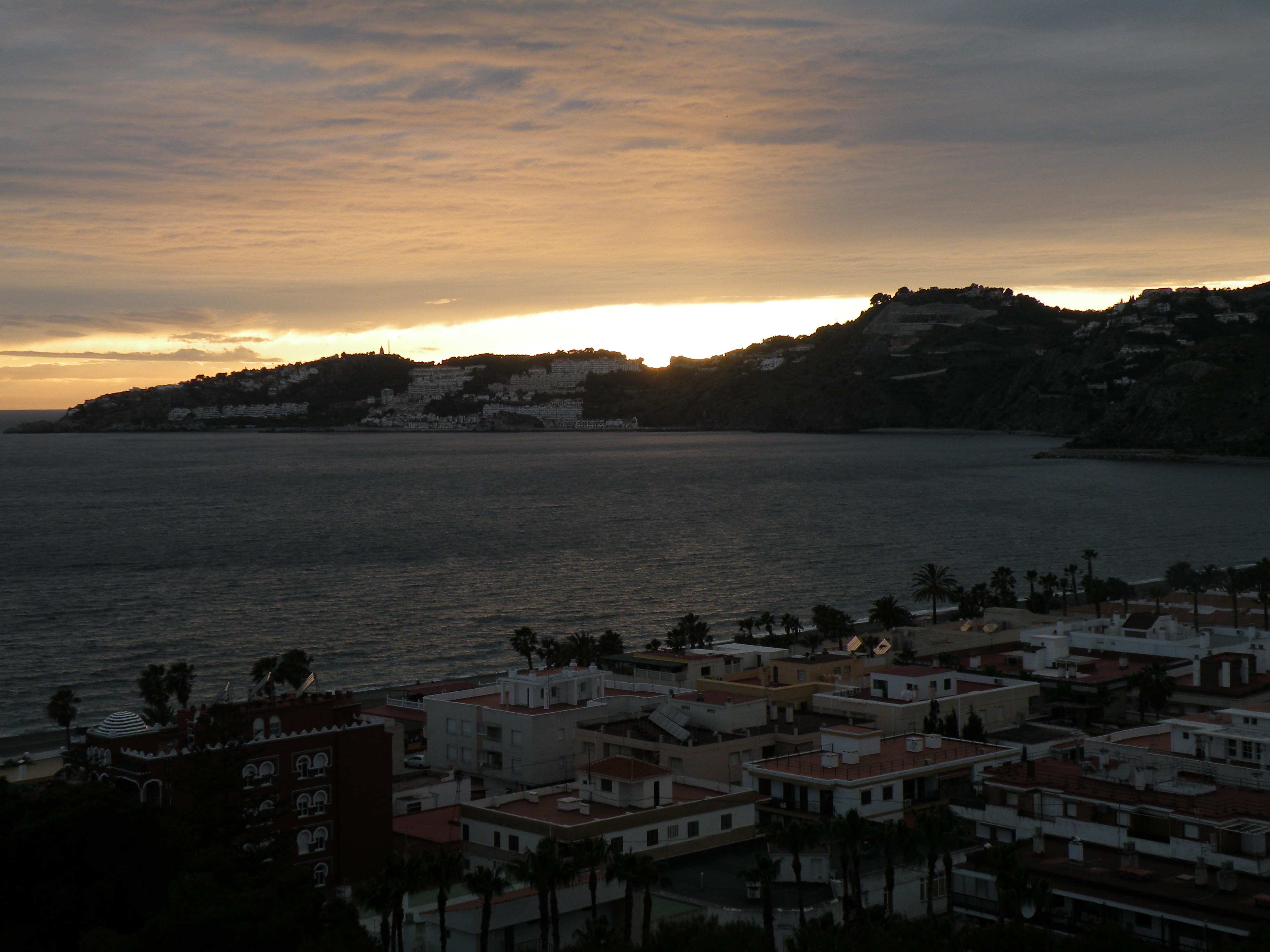
The Phoenicians didn’t just leave behind the dried fish factory as well as numerous amphorae considered to be the city’s vivid historical jewels.

They also named the locals: people from Almuñécar are sexitanos. What would that have to do with the obvious Arab name for the town — al-Munakkab, which meant “fortress surrounded by mountains” — right? Well… It seems the Phoenicians didn’t have any vowels in their long-lost alphabet, so they called the place SKS.
Then the Romans came along and while trying a civilizing transcription, they included the vowel e which totally made easier to pronounce the suffix i as well, usually used for designing the location in Latin: Sexi was the new name of the town and that’s why you’ll always smile when speaking of the locals from Almuñécar. They’re the sexitanos.

These Sexitanos still guard by the beach, from where he came, the huge statue of Omeya Abd ar-Rahman I, the founder of the Emirate of Córdoba, arrived from Damascus through Northern Africa in 755. He’s the one who started the construction of the gorgeous and recently controversial Mosque of Córdoba, in between the numerous fights and rebellions he had to put up with during his large reign of over 30 years.
As for the food… my, the food. I won’t tell you more than that: the subtropical climate makes Almuñécar a unique and perfect place for all exotic fruit, practically during most of the year. There are farmers and family business that live out on these fruit; you can find avocado, papaya, mango, or chirimoya (the custard apple) just lying on the streets or farmers selling them for next to nothing. It was in one of these Andalusian bodegas that I tasted a delicious avocado and smoked salmon salad, and on a Sunday market that a farmer showed me how to peel and eat a chirimoya fruit. Tastewise, it’s a rich, sweet and exquisite combination between pear and banana.


 Nefelibata
Leave a comment