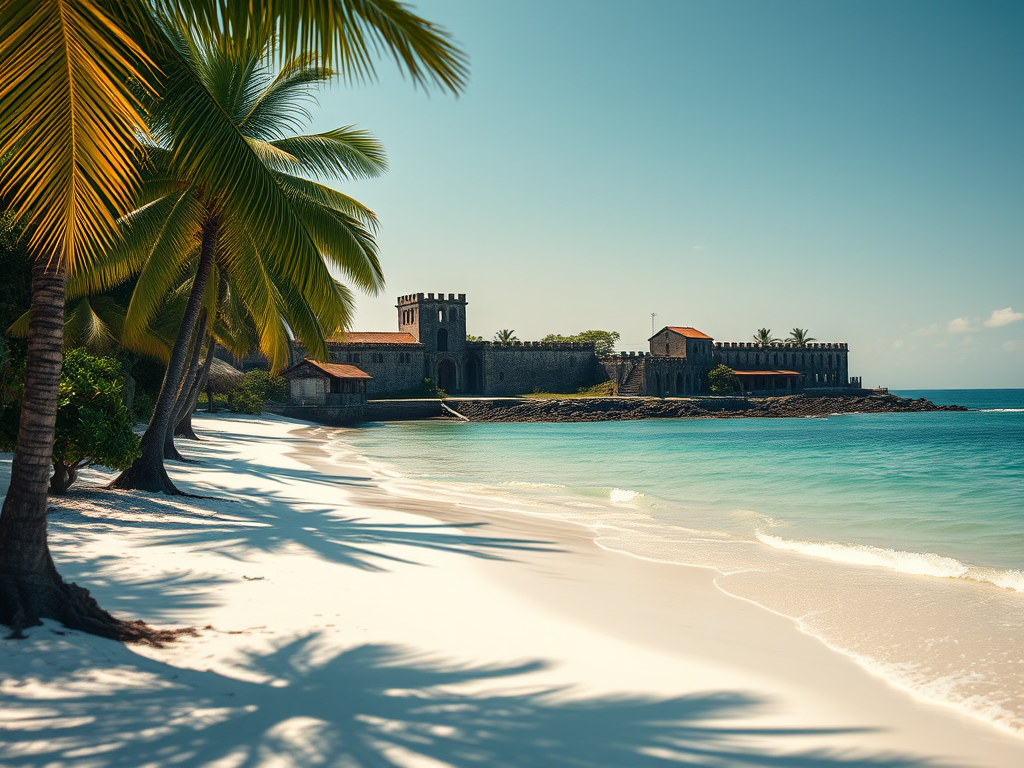
In the quiet, crisp air that in Southern Europe would normally announce winter and Christmas holidays, I found myself on Côn Đảo Island, a remote archipelago off the southern coast of Vietnam. Known both for its pristine beaches and its legacy as one of Vietnam’s most infamous prison islands, Côn Đảo is a place where beauty and trauma exist side by side. Few destinations reveal so clearly how history lingers in landscapes meant for peace.
Arrival on Côn Đảo Island: A Journey Into Another World
The journey began on the mainland at Trần Đề port, where I had to spend the night due to ferry schedules. The port itself is unremarkable—a small town serving as a gateway to something far more extraordinary, something that would stay with me for months afterward. Early the next morning, I boarded a speedboat that sliced through the waves, and through my arrogance in thinking I would not get seasick. The crossing was rough, but toward the end, discomfort faded into anticipation.
As with most island arrivals, reaching Côn Đảo Island felt like stepping into another world. On the drive to the hotel, I watched dense green jungle swallow the narrow highway that cut through the island. Several times during the half-hour journey, I almost found myself instinctively reaching out, as if to part the forest with my hands. The hotel was charming, nestled among palm trees and offering a direct view of the beach. I settled in quickly, as though the island had been waiting.
The Prison Legacy of Côn Đảo: France, War, and the Tiger Cages
Côn Đảo is not only a place of striking natural beauty. It carries profound melancholy, sorrow, and tragedy. The island once housed one of Vietnam’s most infamous prison networks, first built by French colonial authorities in 1861 to incarcerate political prisoners considered threats to colonial rule. During the Vietnam War, the prison complex continued operations under American administration, detaining political dissidents and opponents. Over its 113 years of use, more than 20,000 people are believed to have perished within its confines.
Among the most notorious features of the Côn Đảo prisons are the so-called “tiger cages”—cramped, windowless cells where prisoners endured isolation, starvation, and torture. Now part of the museum complex, these cages have become emblematic of the island’s brutal past. Every corridor, wall, and exhibit strives to tell the same story: of politics and cruelty, of war, and of the people who endured unimaginable suffering because of it. Even today, despite the grandeur of the preserved prison complex and the shrines dedicated to fallen heroes at Hàng Dương Cemetery, some people refuse to set foot on the island. They believe it to be haunted by the spirits of those who suffered and died there.
Hàng Dương Cemetery and the Story of Võ Thị Sáu
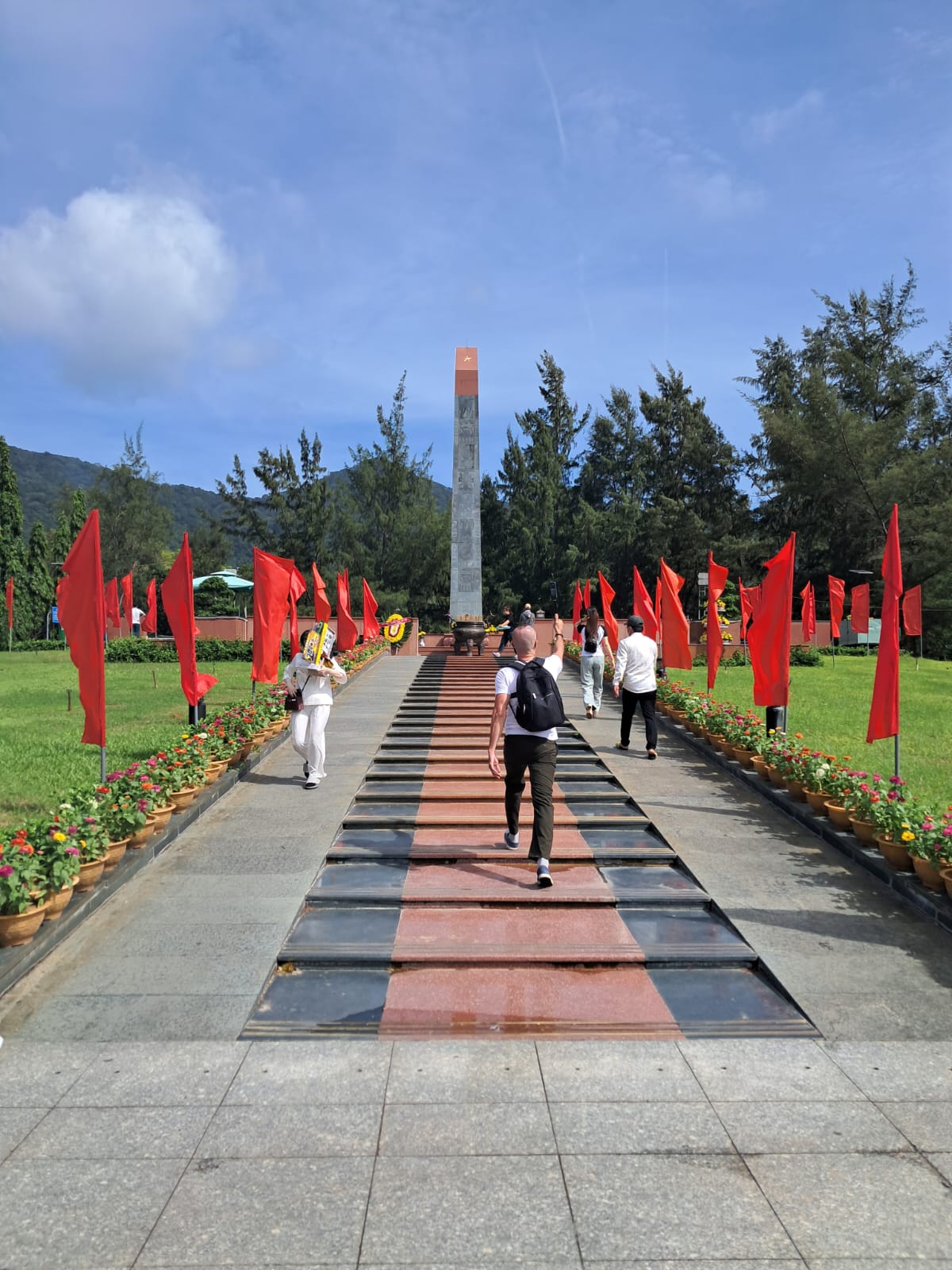
Hàng Dương Cemetery is the final resting place of thousands who perished during their imprisonment on Côn Đảo. Some graves bear names and stories; many others remain unmarked. Among them lies Võ Thị Sáu, a national heroine executed at just nineteen years old for her resistance against French colonial rule.

Her story is steeped in legend and tragedy. Born into poverty, she joined the resistance movement as a teenager, fighting for Vietnamese independence. Though underage at the time of her arrest—something that could have granted leniency—she was sentenced to death. Despite widespread protests in both France and Indochina, her execution was delayed only until shortly after her nineteenth birthday. She became the first woman executed on Côn Đảo. Today, her grave functions as a year-round altar and pilgrimage site, visited by those who honour her as both martyr and ancestral spirit.
Seeking Solace: Reflection, Memory, and Redemption
Surrounded by lush greenery, the cemetery felt like time’s quiet attempt to soften harsh memories. It is a place of reverence and meditation, where respect replaces rage, and reflection takes precedence over grief. Standing there, one cannot help but contemplate the loss and resilience experienced by so many, and the heavy imprint history leaves on the present.
When exploring former prison sites, battlefields, or camps turned memorials, there is often a search for two things. First, a sense of reconciliation—a feeling that lessons were learned, that meaning emerged from suffering. Second, a way to clear the air and unburden the soul, a space to remember while still believing there is good left in the world. After absorbing the gravity of Côn Đảo’s past, I instinctively turned back to nature. The island’s untouched beauty seemed to offer silent solace.
Beaches of Côn Đảo: Serenity Beyond the Shadows
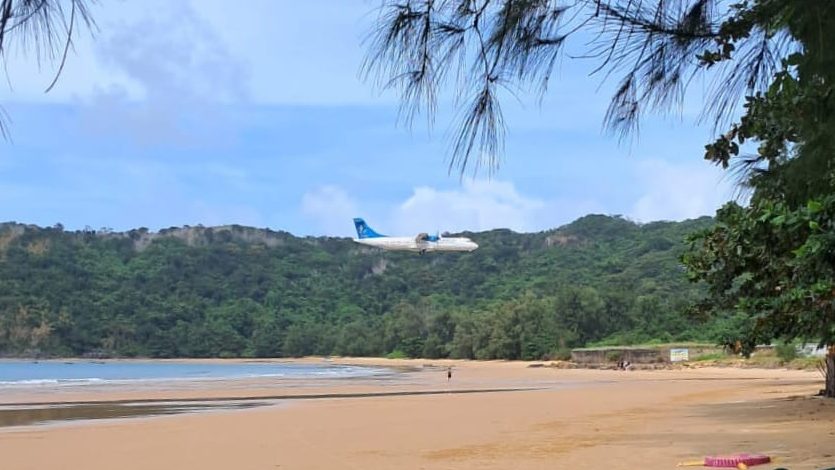
In stark contrast to its history, Côn Đảo’s beaches stretch out in serene, white-sand splendour. One of the most surreal moments was watching planes land from a beach so close to the airport that it felt almost within reach.
I spent a week exploring these shores, loving their near-deserted calm. Bungalows and small hotels stood quietly as waves rhythmically lapped against the sand. It felt as though the island itself offered a balm to the memories it carries—a gentle counterweight to its painful history.
Mornings began with fresh tropical juices and simple breakfasts. Afternoons were spent riding from one end of the island to the other, discovering beach after beach. Evenings brought the scent of grilled seafood and the sound of gentle waves, while nights were filled with cool wine, brisk sea air, and the wish to sleep beneath a star-studded sky. Chasing sunsets across the island, I found peace in those transitions. It was the essence of the island experience: quiet, clean air, endless sea and sky, good food, and time slowed down. And with it, a quiet envy of the islanders who call this place home.
When History and Paradise Coexist
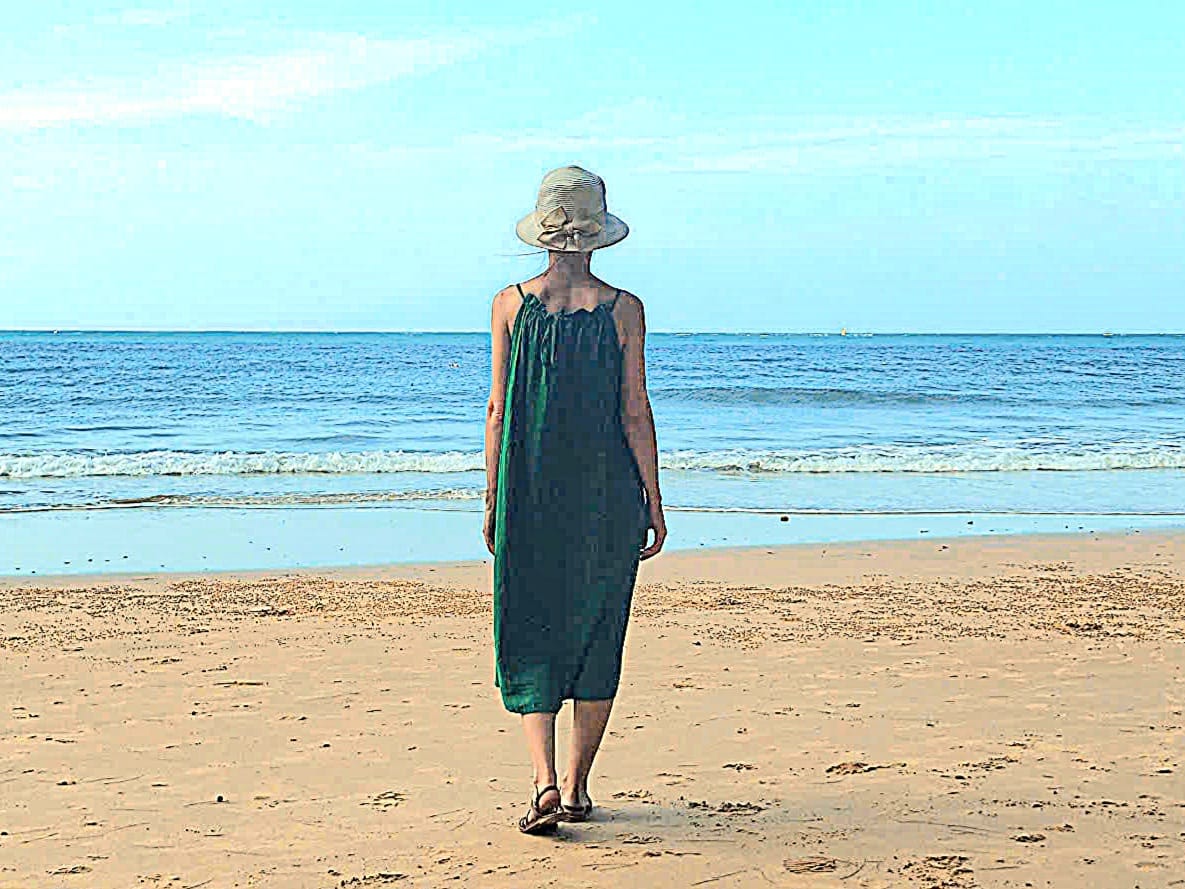
What makes Côn Đảo Island unforgettable is this striking contrast—how history and the present coexist so intensely. The whispers and shadows of the past mingle with light, sun, and cloudless skies. Haunted prison sites meet pristine beaches. Perhaps this is how pain must give way to reflection, understanding, and connection—to some form of silver lining. I left the island carrying the weight of its history, but also gratitude for the beauty—both visible and abstract—that persists amid the remnants of tragedy.



 Nefelibata
Leave a comment