Life Near Sơn Đoòng Cave in Phong Nha, Vietnam
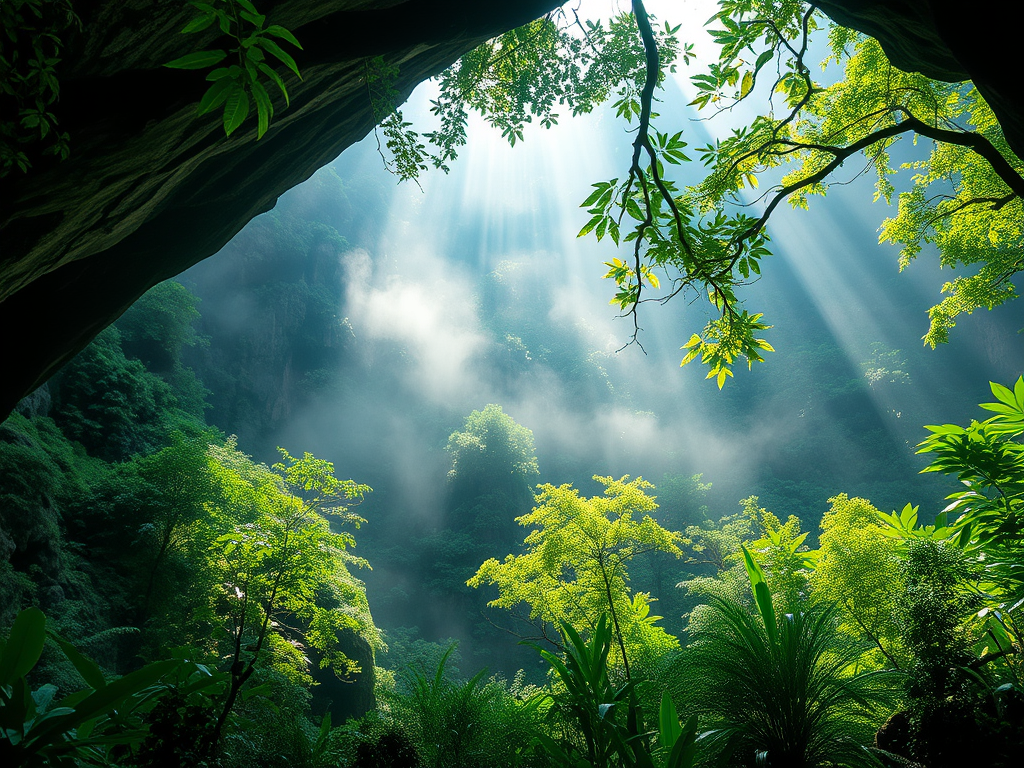
Some places don’t announce themselves, don’t ask to be seen or conquered or even understood. They simply exist — quietly — until you arrive exactly when you’re meant to.
Phong Nha, a remote village in central Vietnam, felt like one of those places. Known today for being home to Sơn Đoòng Cave, the largest cave in the world, the village was once just a rural, agricultural region where survival depended on the land. It was long before explorers, photographers, or adventure travellers arrived.
This is a story about serendipity, about how lives — and entire communities — can change through quiet moments, missed paths, and second chances. And about what living close to nature, history, and locals taught me about travel.
How much serendipity can one place hold before it feels closer to a magical realm than reality?
The Accidental Discovery of Sơn Đoòng Cave
In 1990, Hồ Khanh, a local logger from Quảng Bình Province, ventured deep into the jungle searching for agarwood, one of the rarest and most valuable natural resources in Southeast Asia. While seeking shelter from a violent storm, he noticed cold air and dense fog pouring from what looked like a sinkhole.
That moment marked the first human encounter with Sơn Đoòng Cave, though Hồ Khanh did not yet realize the scale of what he had found. At the time, Phong Nha was an impoverished, agriculture-based region, far removed from global travel routes and scientific attention.
Losing — and Finding — the World’s Largest Cave
More than a decade later, in 2003, the British Cave Research Association asked Hồ Khanh if he could find the cave again. His memory was vague and unforgiving. He searched repeatedly—and failed.
Five years later, in 2008, he made one final attempt. And it changed everything.
Hồ Khanh rediscovered the cave and marked the route carefully. He then travelled to the district post office to contact the University of Hanoi’s Department of Geology, which in turn reached out to British cave experts. In March 2009, he guided them to the cave entrance.
Experienced speleologists immediately recognized that Sơn Đoòng Cave was not only the largest in Vietnam, but possibly the largest cave in the world.
They were right.
Inside Sơn Đoòng: A Hidden World Beneath Vietnam
Named after a nearby village of the Bru ethnic people, Sơn Đoòng Cave is estimated to be 2–5 million years old. It contains:
- A fast-flowing underground river
- Towering stalagmites over 70 meters high
- Massive cave passages
- A self-sustaining rainforest with clouds and weather systems
- Unique ecosystems found nowhere else on Earth
Accessing Sơn Đoòng requires a six-day jungle expedition on foot. This is not casual tourism—it is one of the most demanding cave expeditions in the world.
The Sơn Đoòng Cave Expedition: What It Takes
Today, Sơn Đoòng expeditions are organized exclusively by Oxalis Adventure, with Hồ Khanh serving as a consultant.
To join, explorers must be:
- Physically fit and generally healthy
- Under 70 years old
- Able to trek 25 km through jungle terrain
- Comfortable crossing rivers, climbing steep rock walls, and camping inside caves
The expedition includes:
- Three nights inside the cave
- Jungle and mountain trekking up to 800 m elevation
- Scaling the Great Wall of Vietnam, a 90-meter vertical cave wall
- Full support: expert guides, safety teams, porters, chefs, and equipment
The cost is approximately $3,000, and permits are limited to 1,000 visitors per year, making it one of the most exclusive adventure experiences in the world.
A Chance Encounter at a Homestay in Phong Nha
In 2021, as Vietnam slowly reopened after the pandemic, a group of motorcycle travelers arrived in Phong Nha looking for a place to stay. Nearly turned away due to restrictions, they ended up spending the night at a humble riverside homestay beneath the mountains.
The owner was Hồ Khanh.

One of those travelers, Mihai—a passionate explorer of Vietnam’s hidden places—sensed there was more to the story. He later returned to Phong Nha to interview the man who discovered the world’s largest cave, right there in his home.
From Poverty to Sustainable Tourism
“When I was young, my hometown was very poor,” Hồ Khanh recalls. “But everything changed after the caves were discovered—especially Sơn Đoòng.”
Before the 2000s, Phong Nha had no hotels or tourism infrastructure. Today, it is one of Vietnam’s most important eco-tourism destinations.
Hồ Khanh’s local homestay reflects this transformation. Guests eat, live, and interact with his family, experiencing rural Vietnamese life firsthand. Writers, explorers, cave enthusiasts, and poets from around the world now pass through his home.
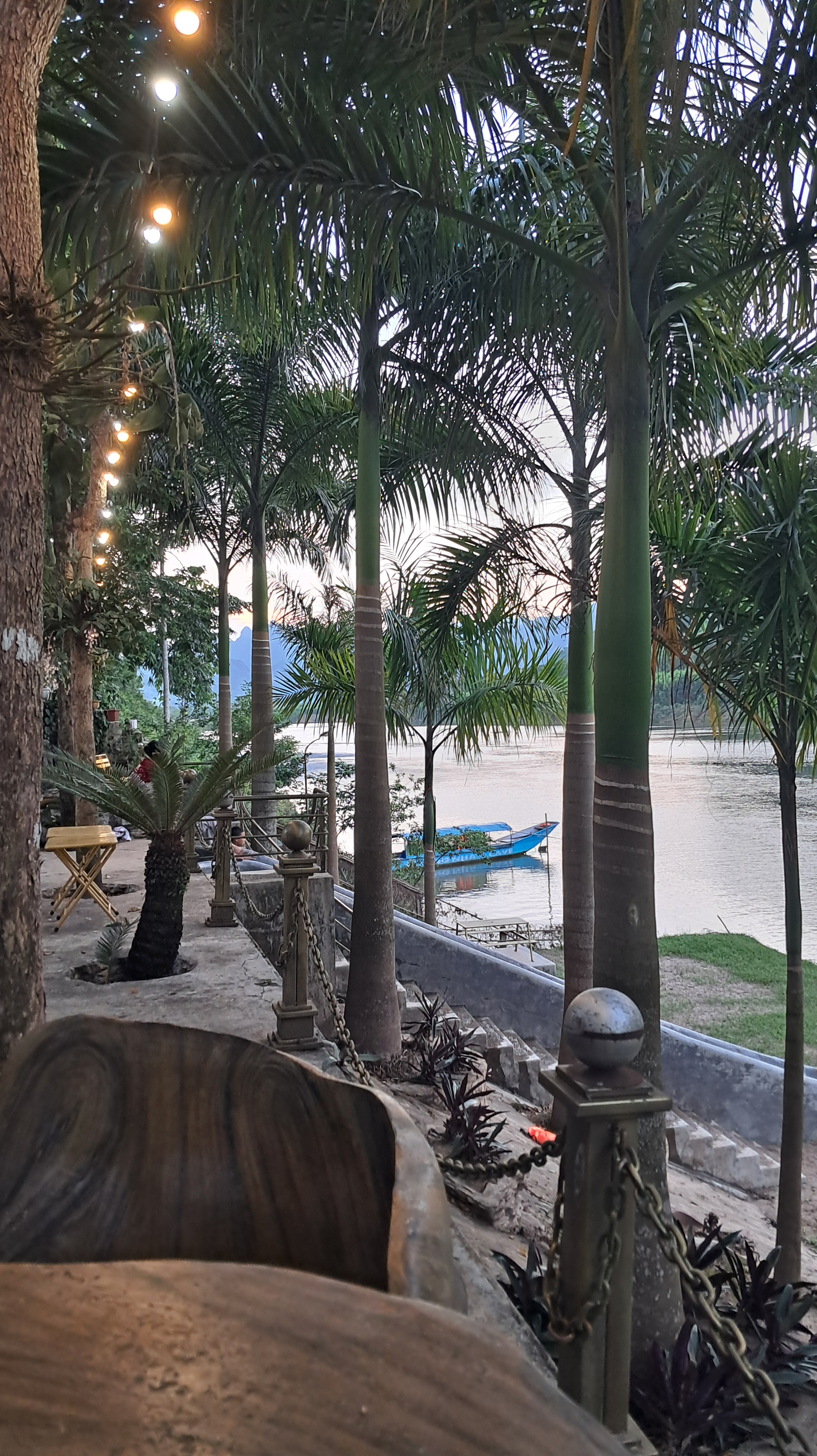
As a local guide, Hồ Khanh shares not just directions—but survival skills, cave safety knowledge, breathing techniques, and forest wisdom passed down through generations.
Phong Nha: A Land of Caves and Serendipity
Phong Nha is home to hundreds of caves, many still unexplored or closed to tourism. Hồ Khanh knows them all. “I know every cave—where it is, how deep, how long,” he says proudly.
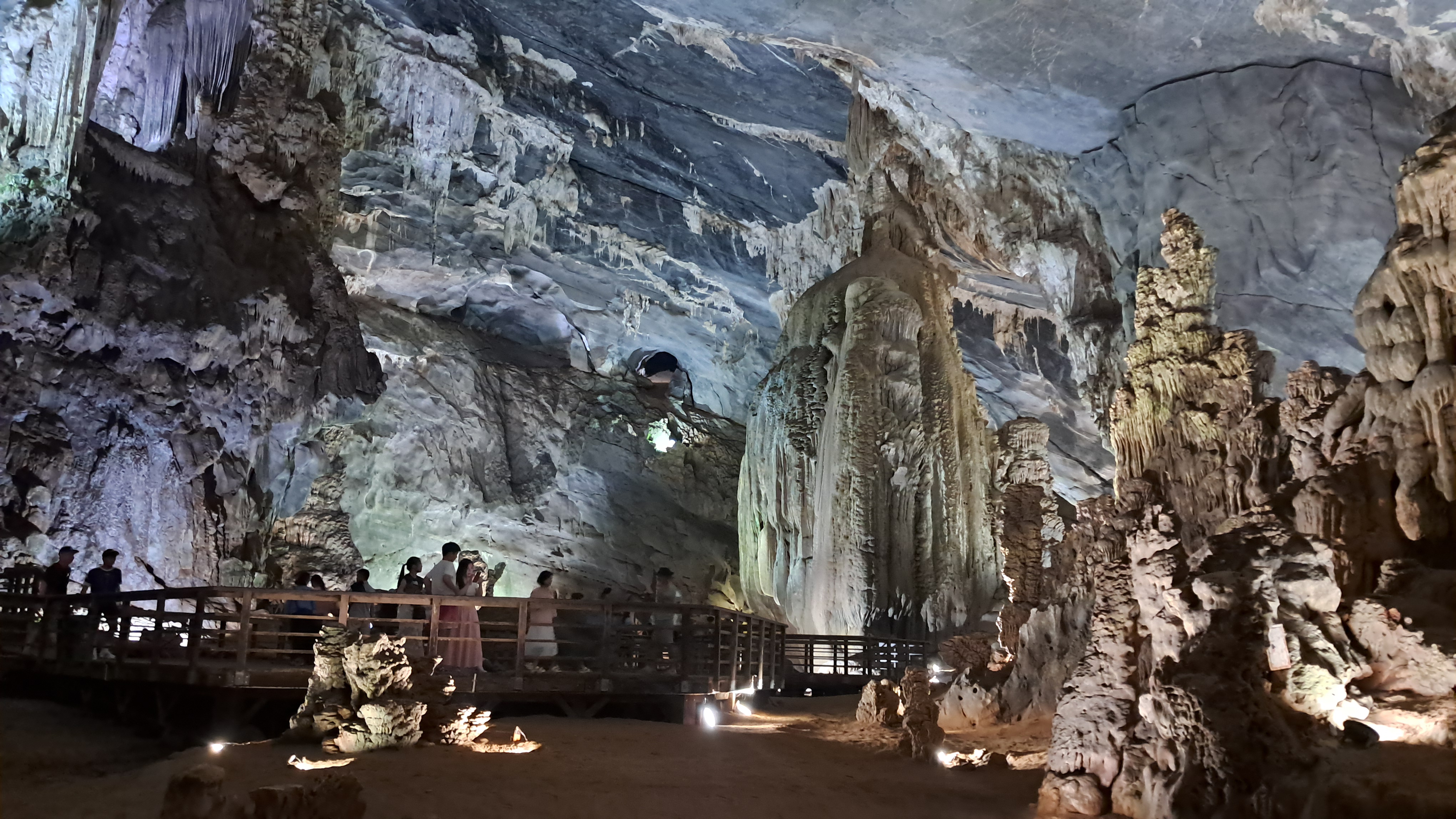
What once was a war-scarred, impoverished region is now a global symbol of adventure tourism, conservation, and sustainable development.
Serendipity, Destiny, and Sơn Đoòng Cave
The closest Vietnamese translation for serendipity is luck, chance, or destiny—but none quite capture the essence of this story.
A logger searching for agarwood.
A cave lost and found.
A chance meeting at a homestay.
A region reborn through exploration.
Sơn Đoòng Cave did not just change one man’s life—it transformed Phong Nha, Quảng Bình Province, and Vietnam’s role in global adventure travel.
And perhaps some places are meant to be discovered only when the timing is right.



 Nefelibata
Leave a comment