
How much serendipity can one take from one single place before believing it closer to the magic realm than anything else?
First, there was once a logger who went out into the forest to find the extremely rare agarwood. On the way, he discovered the Sơn Đoòng cave, the largest on the planet, with an ecosystem in itself. It was 1990, and the region, mostly agricultural back then, did not stand out for its locals being able to put a lot of food on the table for their families.
Then, there was once a group of riders who went out on their bikes to enjoy the majestic beauty of the emerald mountainous green region of Phong Nha in central Vietnam. On the way, they booked rooms to spend the night in a homestay beneath the mountain and found out it belonged to the logger. It was 2021, the world and the country were still recovering after the pandemic, and our heroes were almost turned down and away because of the restrictions.
The Story
The logger went back to looking for the cave when the British Cave Research Association asked him to try to remember and find the way again. But this was more than a decade later, in 2003. This story’s hero could only remember the day he had to look for shelter from heavy rain and noticed the huge columns of fog and cold air flowing up and out of what looked like a sinkhole. He didn’t find the cave again at that point. He went back and looked again, and then one more time, and still didn’t find it.
And then, five years later, he caved in to one last serendipitous moment, thinking to give it one last try and then give up forever. But there was nothing to give up on, because he found the cave, and that time made sure to mark the way. It was 2008, and he was forever the discoverer.
The Heroes
“That time, my hometown was very poor, so there were no phones,” Hồ Khanh recently exclusively told one of the riders who had sought refuge and a place to sleep back in 2021 at his homestay. Passionate traveler and experienced explorer of Vietnam’s hidden beauties, Mihai believed there had to be something more to it all. And so he came back to Phong Nha and Hồ Khanh’s homestay to interview the discoverer of the largest cave in the world.
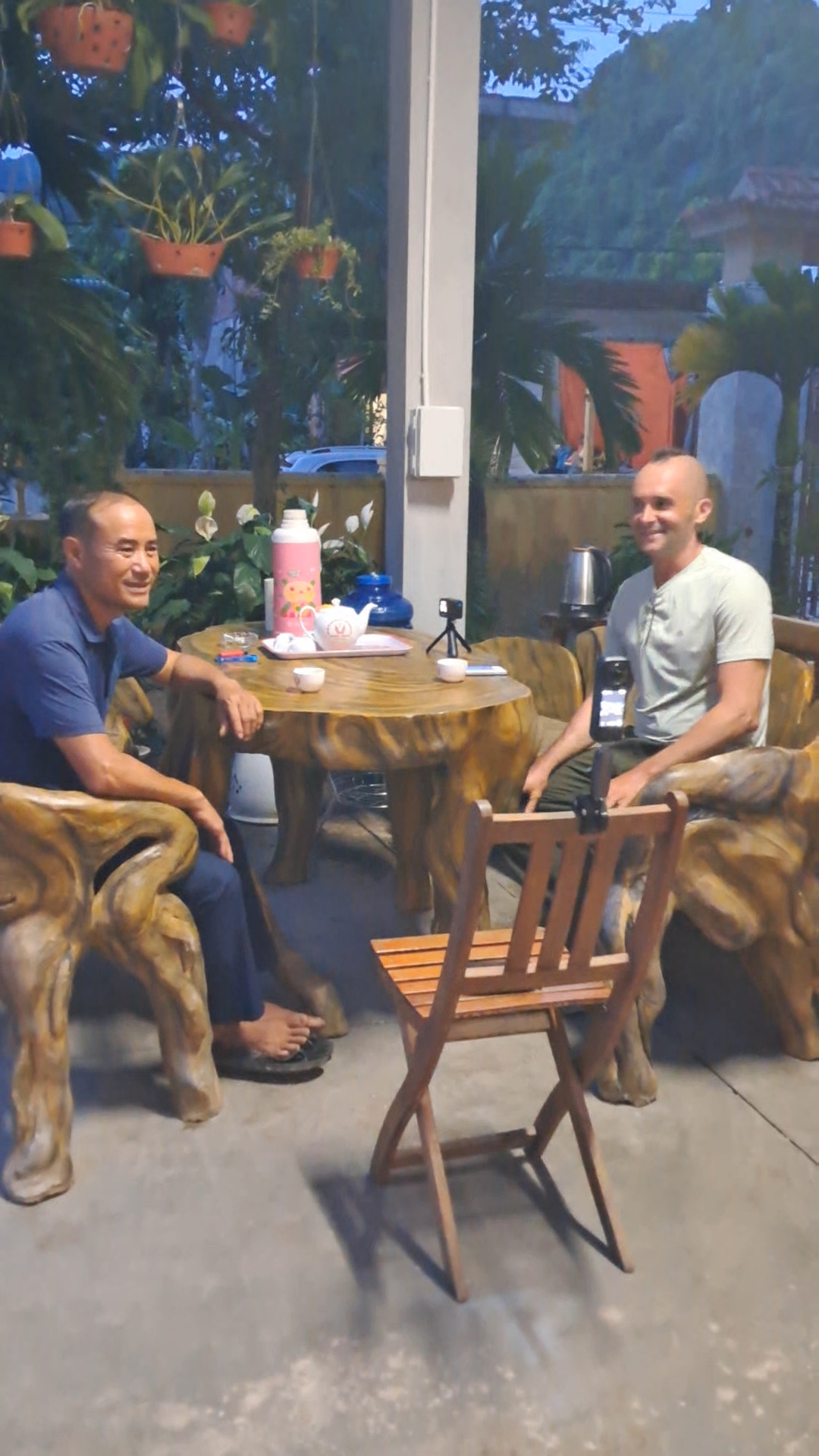
Once he rediscovered the cave on his own, Hồ Khanh had to go to the district post office, place a call to the University of Hanoi’s Department of Geology, and ask them to call the British Cave Association. “I had found that cave and that cave entrance!” his tale goes on. The hero distinctly remembers the promise he got back then. “(The British Cave Association) replied they would return in 2009. Then they came back as scheduled, in March 2009, and on the 6th I brought them there to that cave,” he remembers. Back in the days of his search for agarwood, it used to take Hồ Khanh up to 5 days to get to the cave from his house in Phong Nha. But in 2009, a road had already been built, and when “I brought them to the cave entrance, they shouted so loud, they shouted because they were well-experienced, and they knew. They said, “That’s right, this cave is the biggest in the area and maybe the biggest in the world!”
Before giving up forever, Hồ Khanh would forever be the discoverer of Sơn Đoòng, the largest cave in the world, the cave of the mountain behind Đoòng in Vietnamese, so named after a village of the Bru people (literally people who live in the woods). This cave is believed to be between 2 and 5 million years old, has an internal, fast-flowing subterranean river, and a whole rainforest within. You can get there only by foot, through the jungle. It’s a six-day journey. It’s an expedition, and it’s not for anybody.
The Expedition
Hồ Khanh now consults with Oxalis, the only agency that organizes the Sơn Đoòng Cave Expedition. It is hard and challenging, and one must be physically fit, generally healthy, and no older than 70. You are looking at 25 kilometers of trekking on jungle and mountain trails, with elevation levels of up to 800 meters. You have to cross many rivers both inside and outside the cave, oftentimes knee-deep. For three nights, you camp inside the cave; you climb, then you descend, and then you climb again only to face a huge 90-meter-high wall, fortuitously named by the expert speleologists the Great Wall of Vietnam.
You are strongly advised not only to have some trekking experience but to actively engage in strenuous sports before the expedition, to be able to run continuously for 5 kilometers within 50 minutes as well as climb 5 floors without becoming out of breath or dizzy. If you reckon you can do it, you can book your tour as of January 2027. It’s $3,000, and it sells out quickly since only 1,000 explorers are allowed per year, but everything is covered. You are going on a supervised expedition with cave experts, guides, safety assistants, chefs, porters who carry your belongings, and all safety equipment and accommodation are covered for by the organizers.
The Serendipity
Once upon a time, there was a logger who was looking for the elusive and very rare agarwood. The scented heartwood is perfumed beyond what senses can humanly perceive only when the original tree, otherwise scentless and pale, is infected with a rare fungus which causes the defense mechanism to produce a dark, aromatic resin. Woody, balsamic, and sweet, the extracted resin, also called oud, is used in traditional oriental medicine. Finding the resinous parts of the infected tree, if detected at all, requires skills and knowledge: one has to tap or even cut into the infected parts of the tree.
One serendipity, two serendipities… How many times can the heroes of this story count their serendipities in one single place? As it appears, it has more to do with the place than the heroes or their journey. The astonishing caves and cave complexes in Phong Nha were meant to bring serendipity to these heroes and recognition to this place in the central coastal region in Vietnam, mainly rural and living on agriculture, once only known for a fierce battle during the war. Hồ Khanh went on to discover countless other caves.

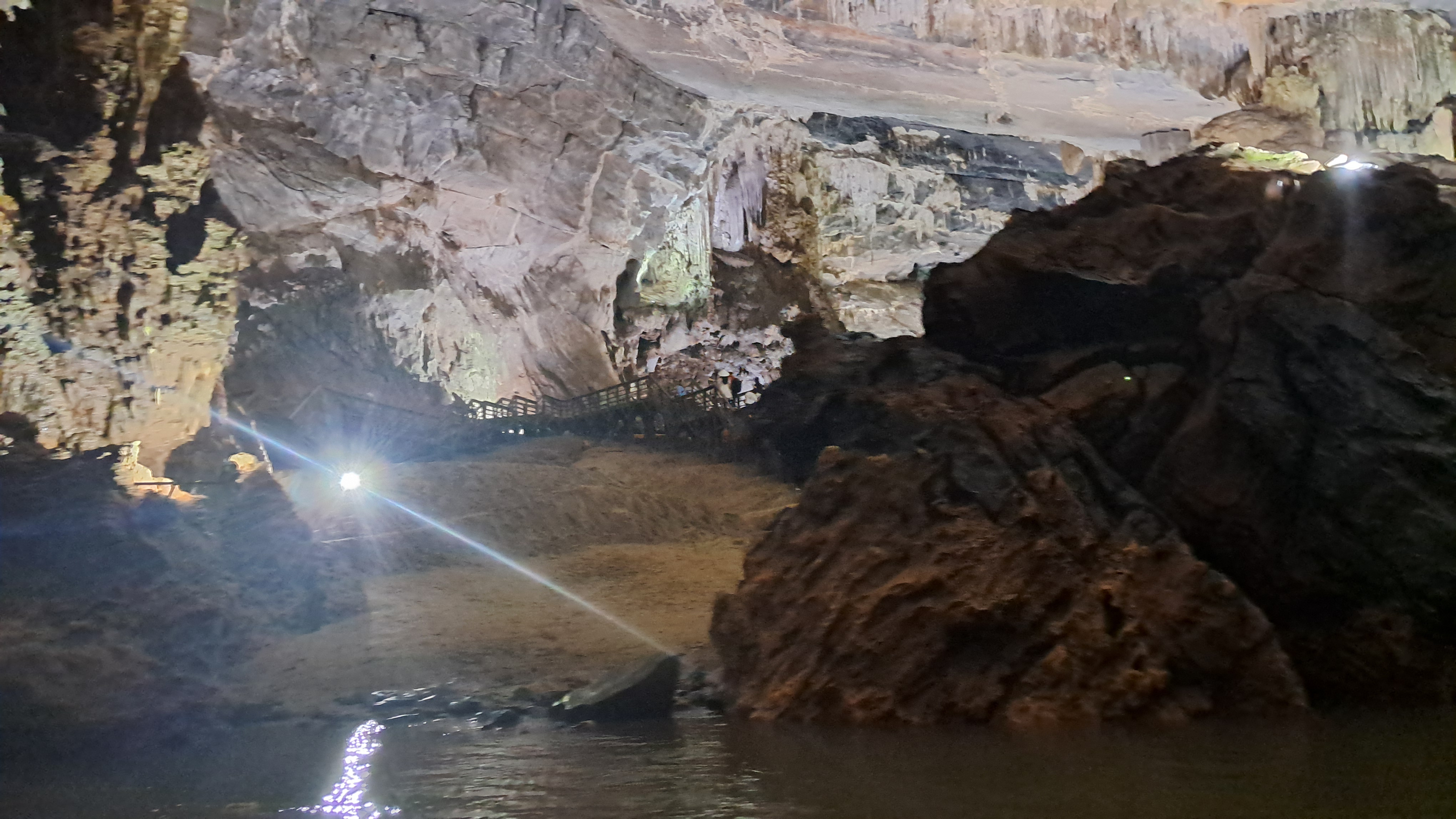

He says, “you know, I’ve worked in caves in Phong Nha a lot; I know every single cave! There are hundreds of them; we’re not talking about just a few dozen (…) even the ones that are not yet opened for tourism—which cave, which location, how long, how deep—I know it all!” he proudly announces during this exclusive interview.
As for now… the explorer and discoverer Hồ Khanh has recently opened a homestay; ever since, so many tourists have started coming to his home region. There were no hotels or accommodation in the region at the beginning of this century, but it developed very fast. “So I started this homestay, which is very local; of course it’s very peaceful,” Hồ Khanh further assures. As it happens in rural Vietnam, the homestay offers room and board for tourists, but you basically eat, sleep, and live with the owner and his family: his house is still there, his children still live with him and his wife, and they all work for the homestay.
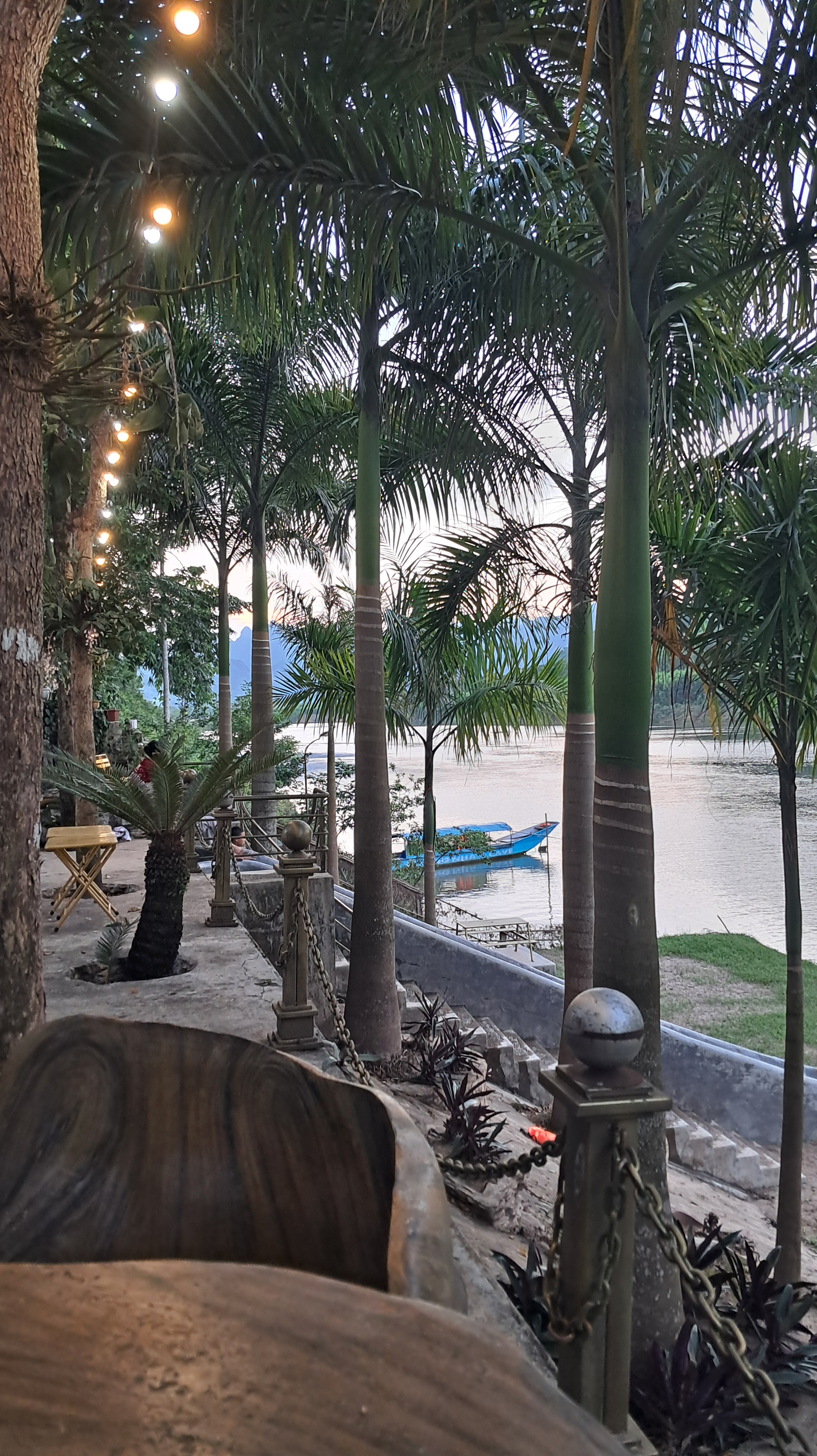
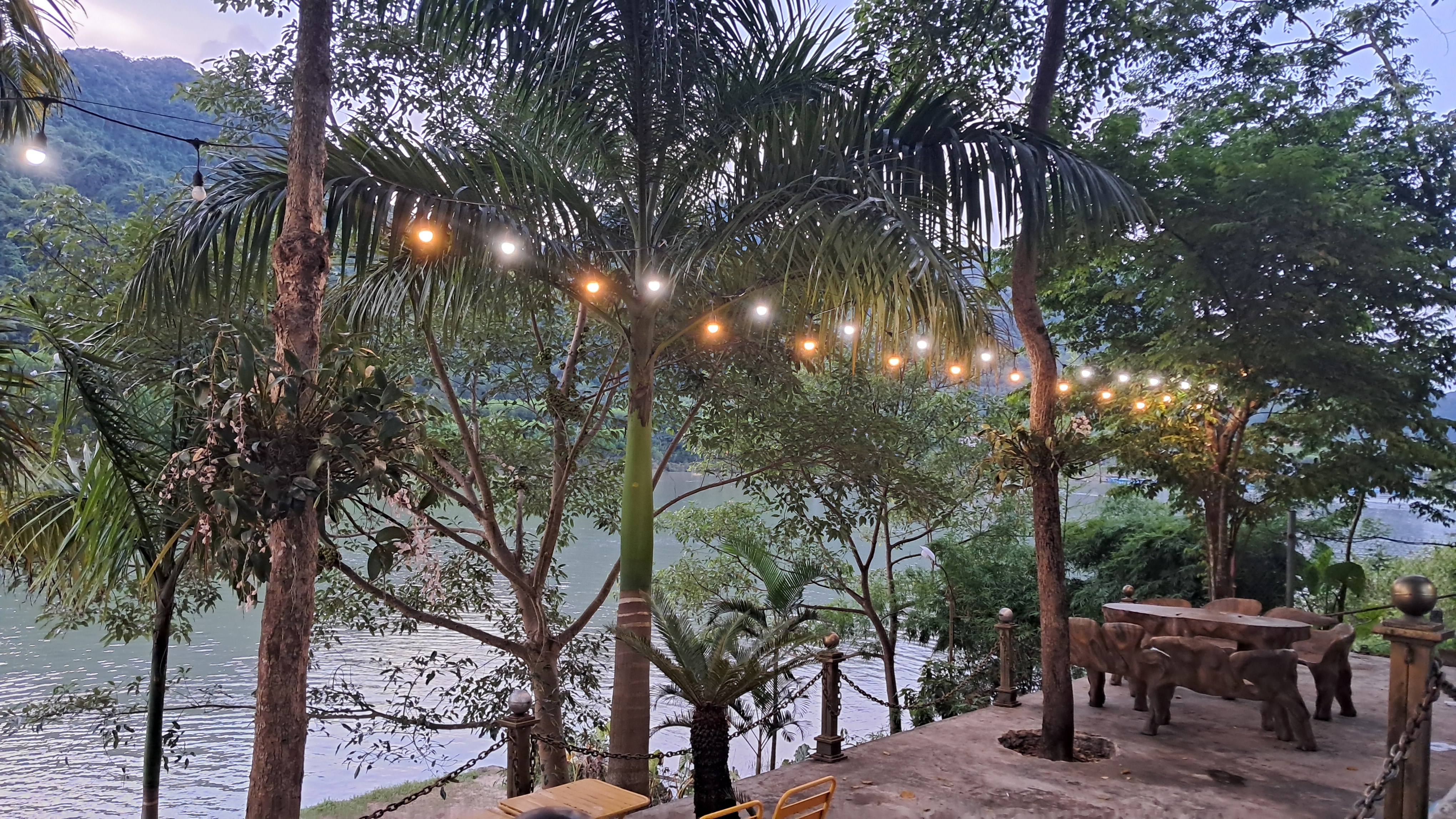
“Since I opened it, countless foreigners have come. There were writers, and then there were cave passionates; there were poets who came to rest and also chat directly to the one who discovered the caves, especially the Sơn Đoòng Cave. Of course they’ll want to meet to confide and talk and I am also happy about that!” he genuinely admits. If tourists are interested in a guided tour or maybe just advice from the discoverer of Phong Nha caves, “I can do it, of course, I can do it. Being a local here, of course I can be a guide. I understand each area very well or even more,” he adds, and also says, “(I can show) the skills needed when going to the forest or climbing the cave steps, the breathing rate and the way to go, perhaps for older people.”
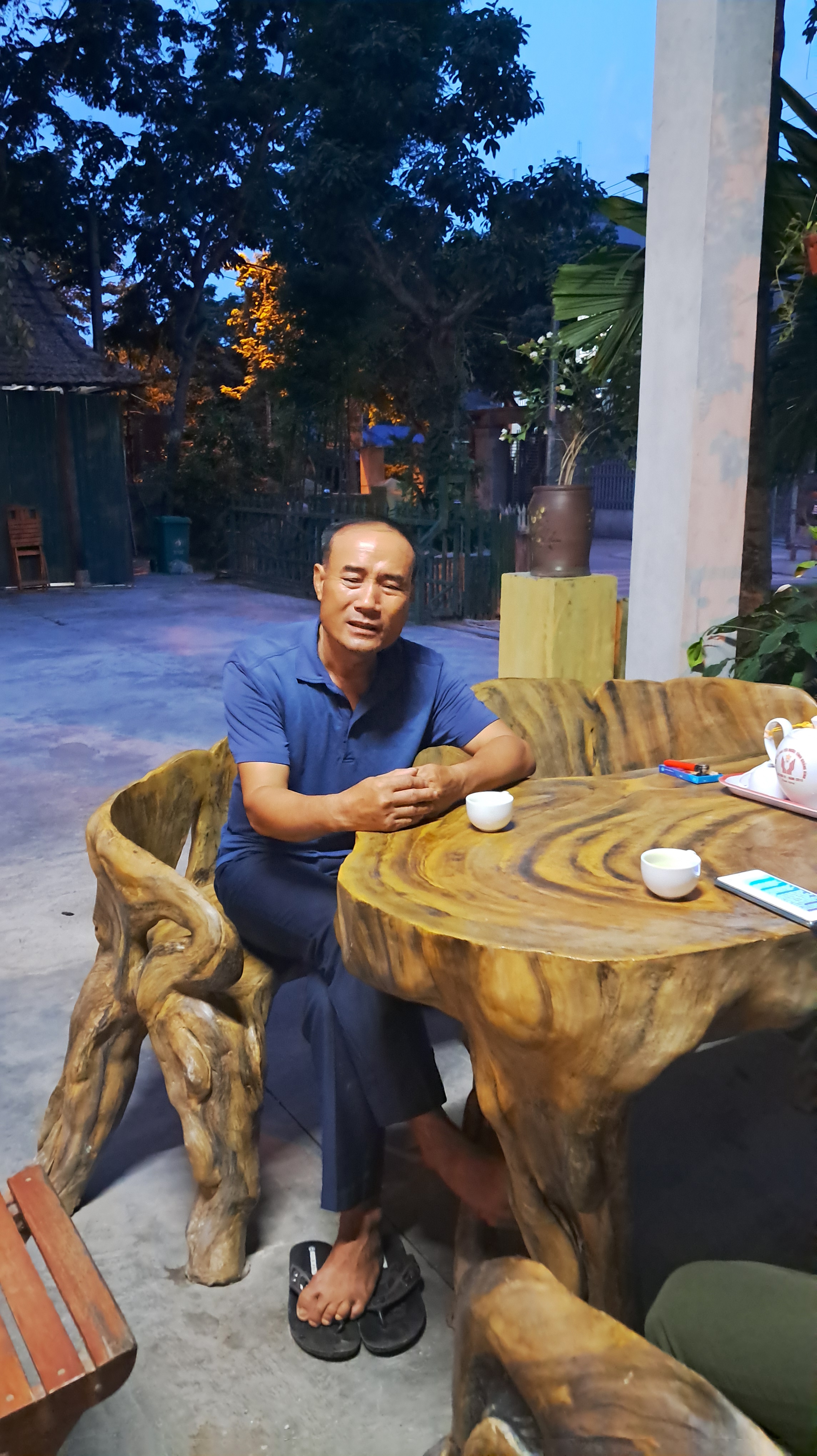
The closest Vietnamese word to serendipity is luck, chance, or destiny. It doesn’t even come close to happy accident, which this whole story was all about. “Long before,” the hero remembers in his rural Quảng Bình speech and his steady tone of voice, evoking times not so long gone, “my hometown was very poor. But the economy has improved by exploring caves and by discovering caves, especially the largest—Sơn Đoòng Cave.” When asked how his life has changed ever since that first cog of this serendipitous chain story, he says, “it’s not just about me but about the economy of the area, of the country, and of the province of Quang Binh, and especially Phong Nha; life has changed indeed and it’s developing well and it is very much relying on tourists. Since the caves opened, they’ve brought many guests to our homeland. And I’m thrilled about that and about what tourism means.”



 Nefelibata
Leave a comment