Light Among Whispers of the Past and Shadows of History
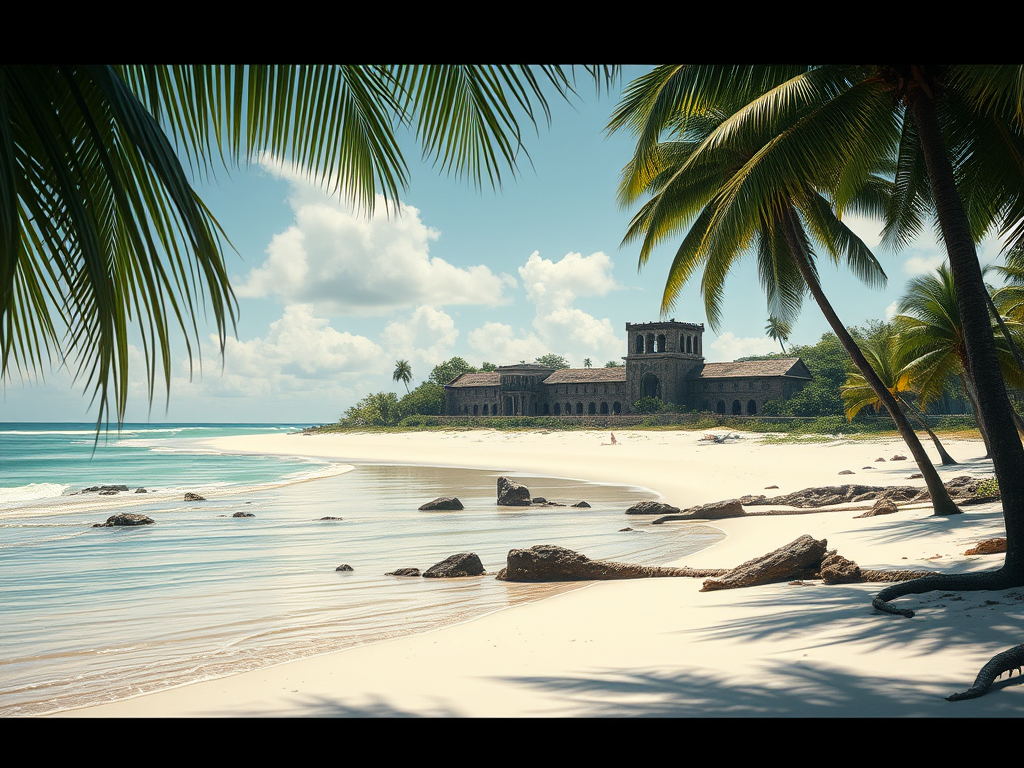
In the quiet and the crisp air that in Southern Europe would have normally announced winter and Christmas holidays, I found myself on Côn Đảo Island. If ever there were a better a place to see where tragic history and preternatural paradise collide.
The journey began from the mainland at the Tran De port, where I had to spend the night due to the ferry schedules. The port itself is unremarkable: just a small town serving as a gateway to something out of the ordinary that stayed with me for the past five months. Early the next morning, I boarded a speed boat that sliced through the waves as well as my arrogance, thinking I would not get seasick. The boat ride was rough, but towards the end, it all faded away with anticipation.
Just as ever when getting to an island, arriving on Côn Đảo felt like stepping into another world. As I made my way to the hotel, I couldn’t help but wonder at how the green jungle seemed to swallow the narrow highway that cut through the island. Oftentimes during the half an hour drive, I almost found myself trying to pryingly and abstractly make way with my hands through the deep forest. The hotel itself was charming, nestled among palm trees and offering a direct view of the beach. I settled in quickly.
Côn Đảo is not just an island of beauty. It also carries profound melancholy, sadness, and tragedy. It once housed a network of prisons, first built by the French colonialists in 1861 to incarcerate political prisoners deemed threats to colonial rule. Under American administration during the Vietnam War, the prison complex continued to detain political dissidents and opponents. Over its 113-year operation, more than 20,000 people perished within its confines.

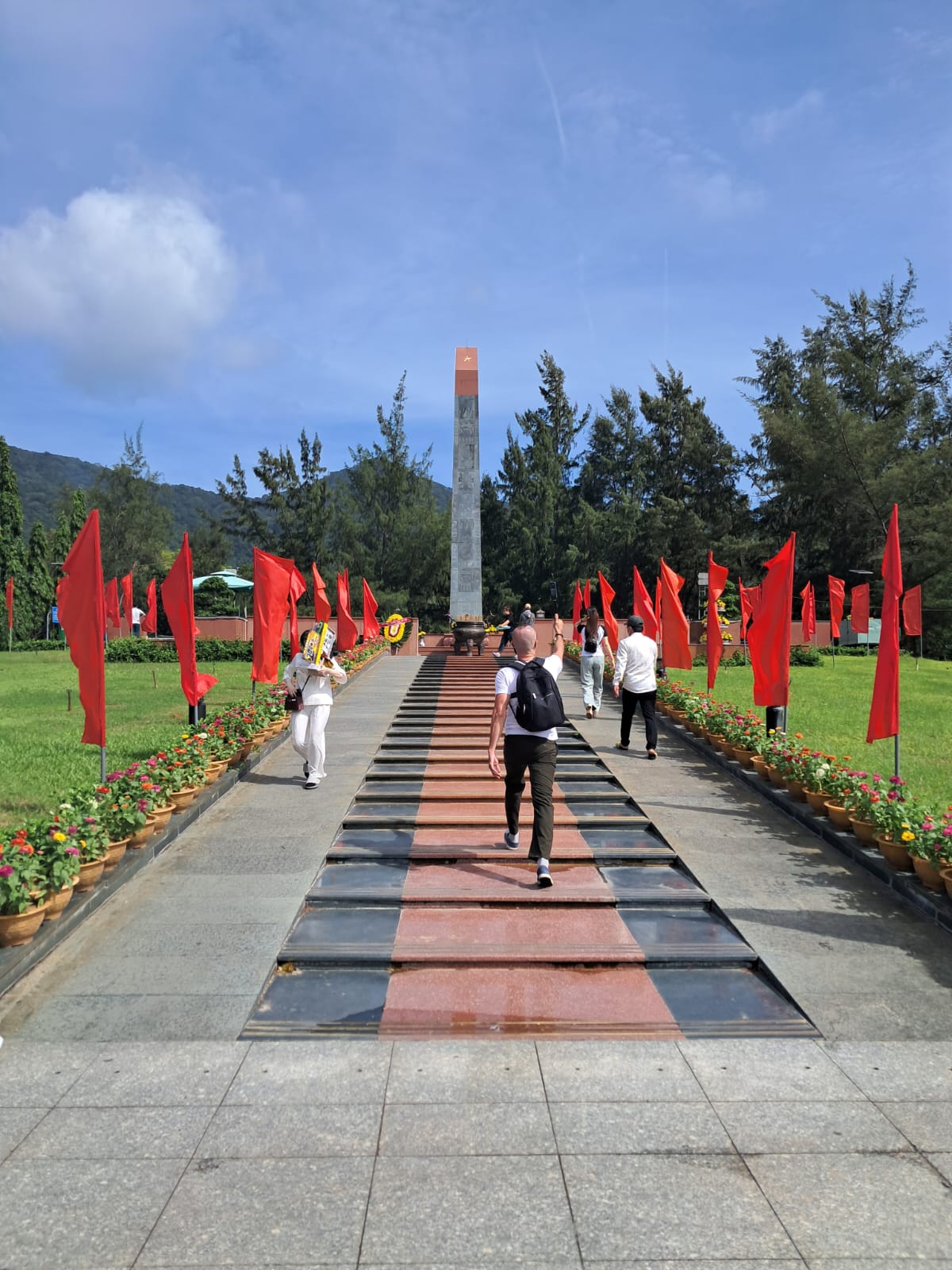
One of the most notorious features of the prison is the ‘tiger cages’: cramped, windowless cells where prisoners endured isolation and torture. Part of the museum exhibits, these cages are now emblematic for the prison network on the island. Everything strives to tell the story: the politics, the past, the cruelty of war, and that of all the people who endured unimaginable hardship because of it all. Even today, and despite the larger than life mausoleum that is the prison complex, as well as the shrines dedicated to heroes in Hàng Dương Cemetery, some people do not even want to step foot on the island. They believe it is forever haunted by the spirits of those who suffered and perished there.
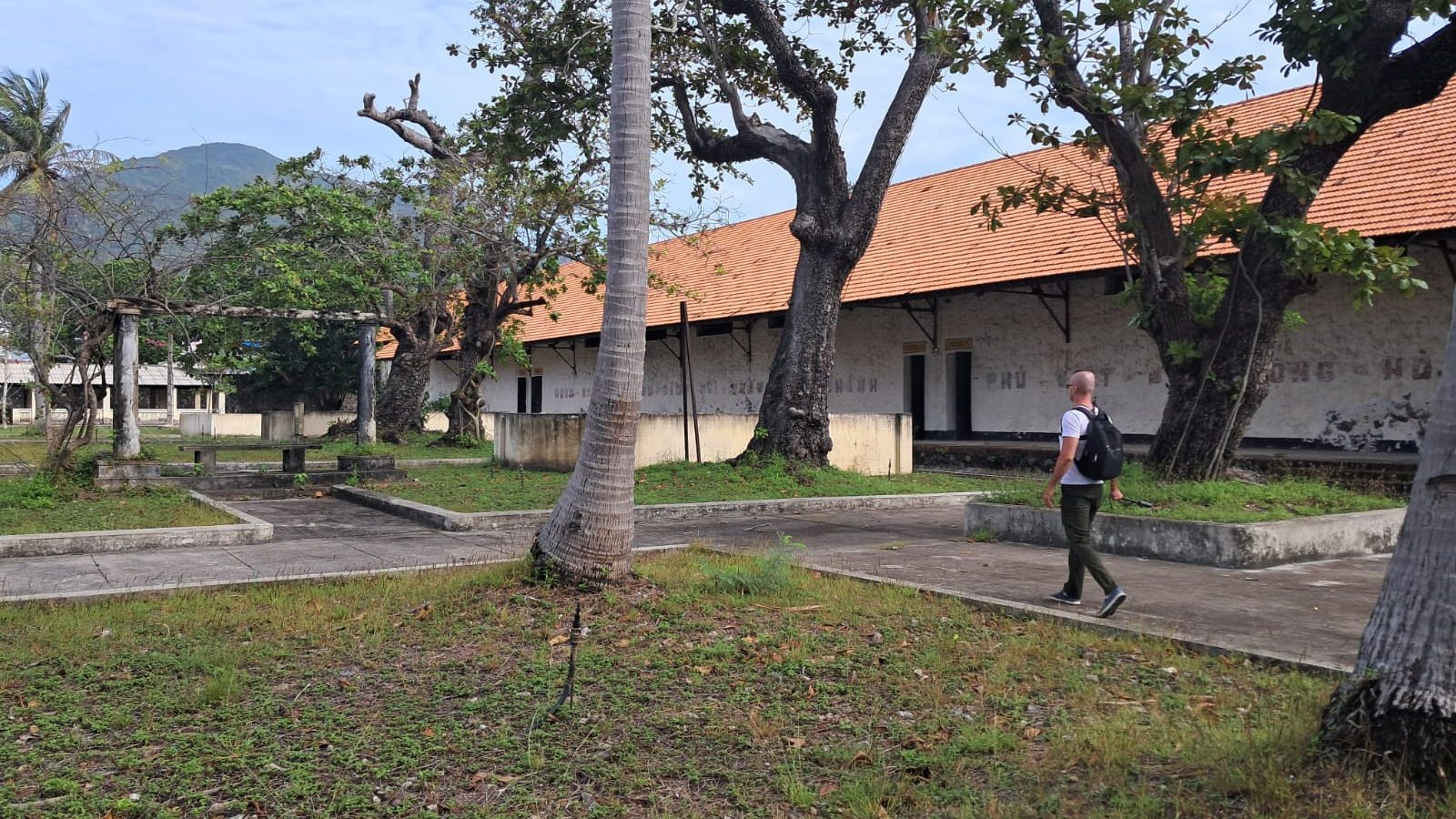
The Hàng Dương Cemetery is the resting place of thousands who died on the island during their incarceration. Some graves have names and stories; many others are unmarked.
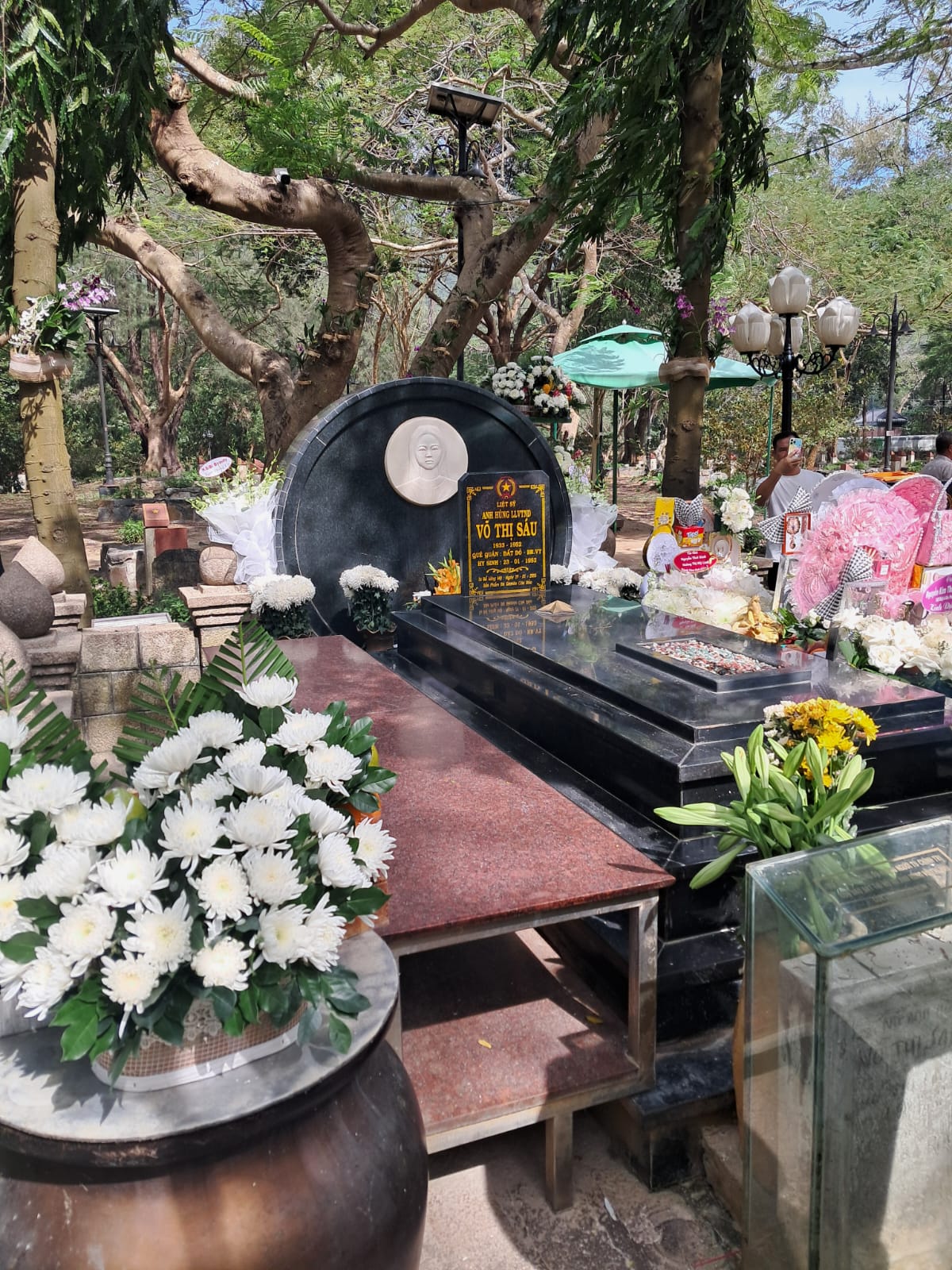
The national heroine Võ Thị Sáu, executed at the age of 19 for her violent resistance activities against the French, is also resting there. Her story bears what legends are made of: born into poverty, she joined many other young people in their resistance movement against the French colonial power, fighting for Vietnamese independence. Her tale is enshrined in tragedy and martyrdom: she was underage when she was detained, and this alone could have brought her leniency when sentenced. Despite widespread protests both in France and Indochina, the authorities delayed the execution sentence, but carried it out shortly after she turned 19. She was the first woman executed on the island. Her grave is an altar yearlong, a pilgrimage site often visited by those who come to pay their respects and consider her an ancestral spirit. Surrounded by its lush greenery, I felt like the cemetery was just showing time’s way of softening the harsh memories. It’s a memorial site, immersed in quiet and reverence, respect and meditation on the past, the history, the loss and resilience experienced there by so many.
A fairly common feeling when exploring former prison sites, battlefields or camps turned museums and memorials, is to look for two things. One, a sense of redemption, reconciliation, a feel for lessons learned. Second, a way to clear the air and unburden the mind and soul, a place to meditate and remember, and a view to make one believe there is still good in the world, despite the tragedy. After absorbing the gravity of it all, I found my way back to nature itself: the paradise of all that was around seemed to be silently offering solace.
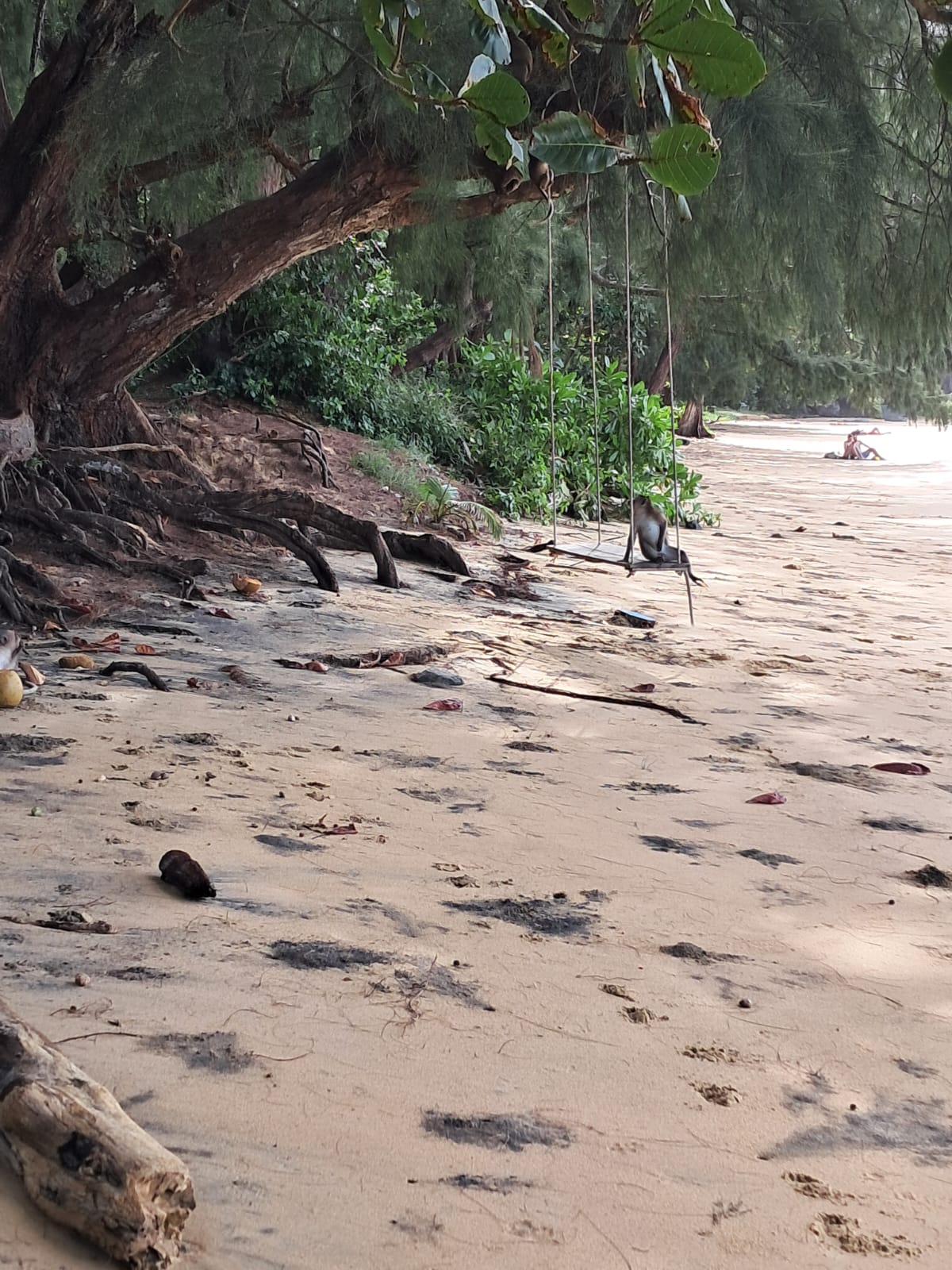
In stark contrast to its history, the island’s beaches stretch out in serene, white-sanded splendor. One of the most fascinating experiences was watching planes land from a beach so close to the airport that I felt I could almost reach out.

I spent a week on these beaches, and I loved their almost desertedness, the bungalows and small hotels standing quietly as the waves rhythmically lapped against the shore. It was as if the island, in its beauty, offered a balm to the memories and the history it carries to the day.
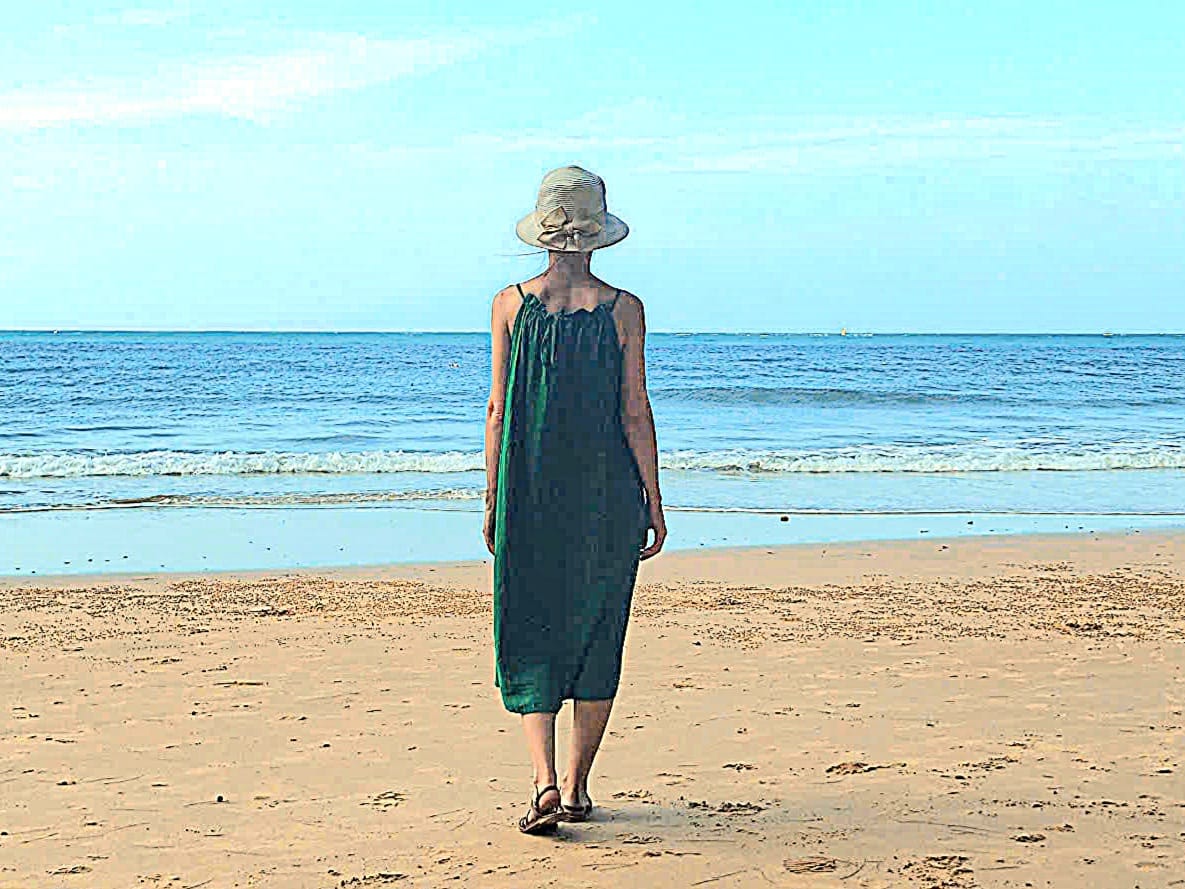
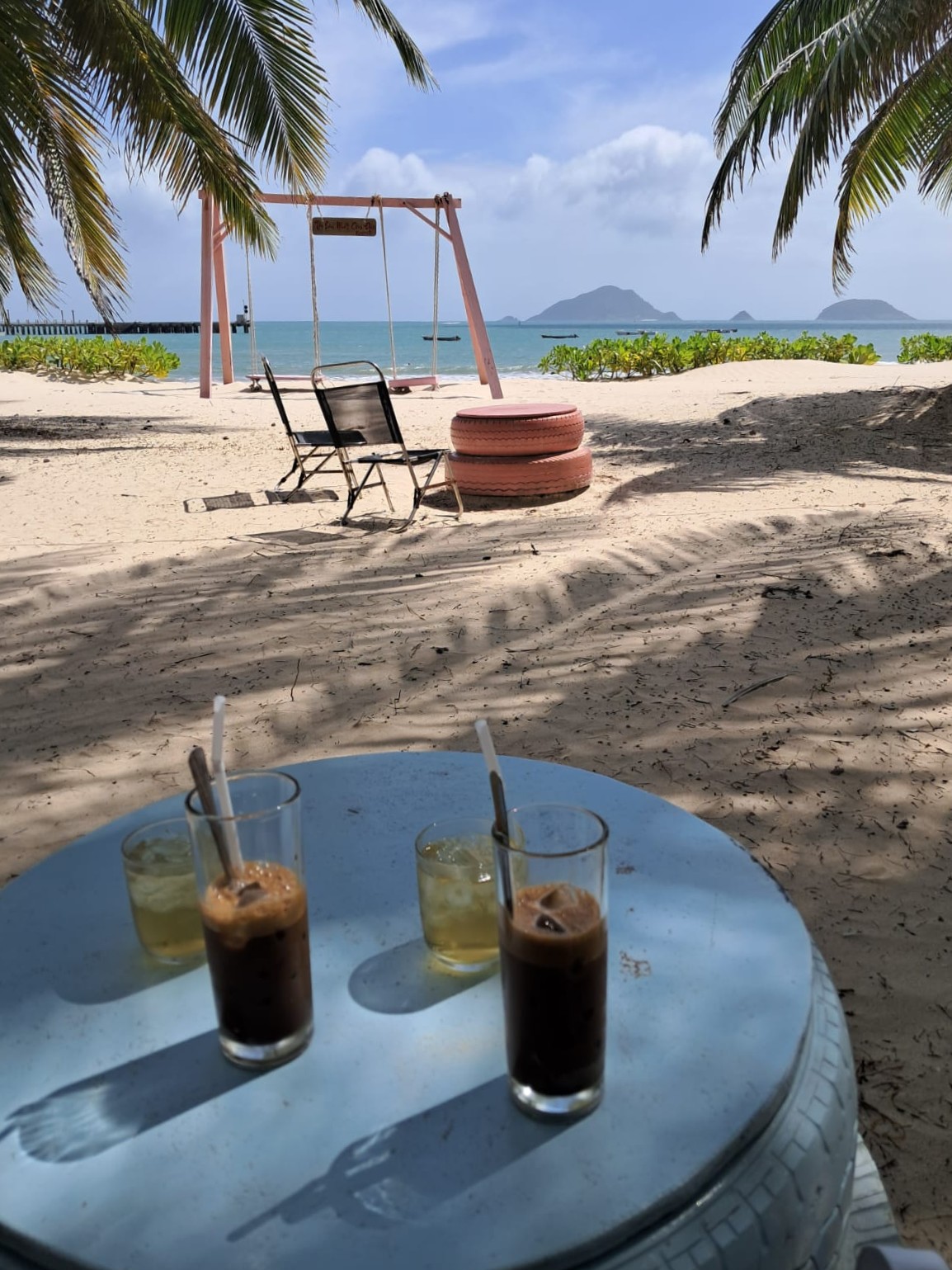
Mornings started out with fresh, tropical juices and simple breakfasts. Afternoons were spent riding through one end of the island to the other to try out all the beaches, and evenings were filled with the scent of grilled seafood and the sound of gentle waves. Nights were spent sipping cool wines on the beach, breathing in the brisk air, and wishing I could just sleep under the clear star-studded sky. Chasing sunsets, moving from one end of the island to the other, I found something profoundly peaceful in those transitions. I was again experiencing the unique island experience: peace and quiet, clear air, seas, and skies, delicious food and cool drinks, quality time with family. Also: complete and absolute envy of the islanders and their lives now and there.
It’s the apparent oblivious contrast that makes Côn Đảo memorable. And it is intense how history and present coexist, how the whispers and shadows of the past mingle with the light, sun, and cloudless skies. Haunted prison sites meet pristine and clear beaches, so maybe it’s precisely how the pain and suffering from the past must give way to reflection, connection, and understanding. To some silver lining. I left the island carrying the weight of its history along with the gratitude for the beauty, both obvious and abstract, amidst the remnants of tragedy.



 Nefelibata
Leave a comment