For lack of a better choice, I clicked on share location and chose Wuthering Heights. Nothing could have been farther from the truth, the culture, the timeline, the universe, and the actual location. But it reminded me of that summer some thirty years back when I had to spend almost three months bedridden because of a nasty cut from when a window had caught air and forcefully closed shut and shattered on my foot. So I endeavored on reading because what else could I have done from a balcony room of a sixth-floor apartment building in downtown Bucharest? Only to spice it up a bit, I decided to get my hands on an English original. The Mayor of Casterbridge was the lucky choice, and I was more than happy to see that it worked, that I could, in fact, read in English, understand and enjoy the book, but this first time reading was a bit rebuffed by the countless plot twists and turns of the novel, from which I had expected the same simple heartbreak as Tess of the d’Urbervilles. So then I thought of taking on a novel I had read and loved before. And there came Wuthering Heights.
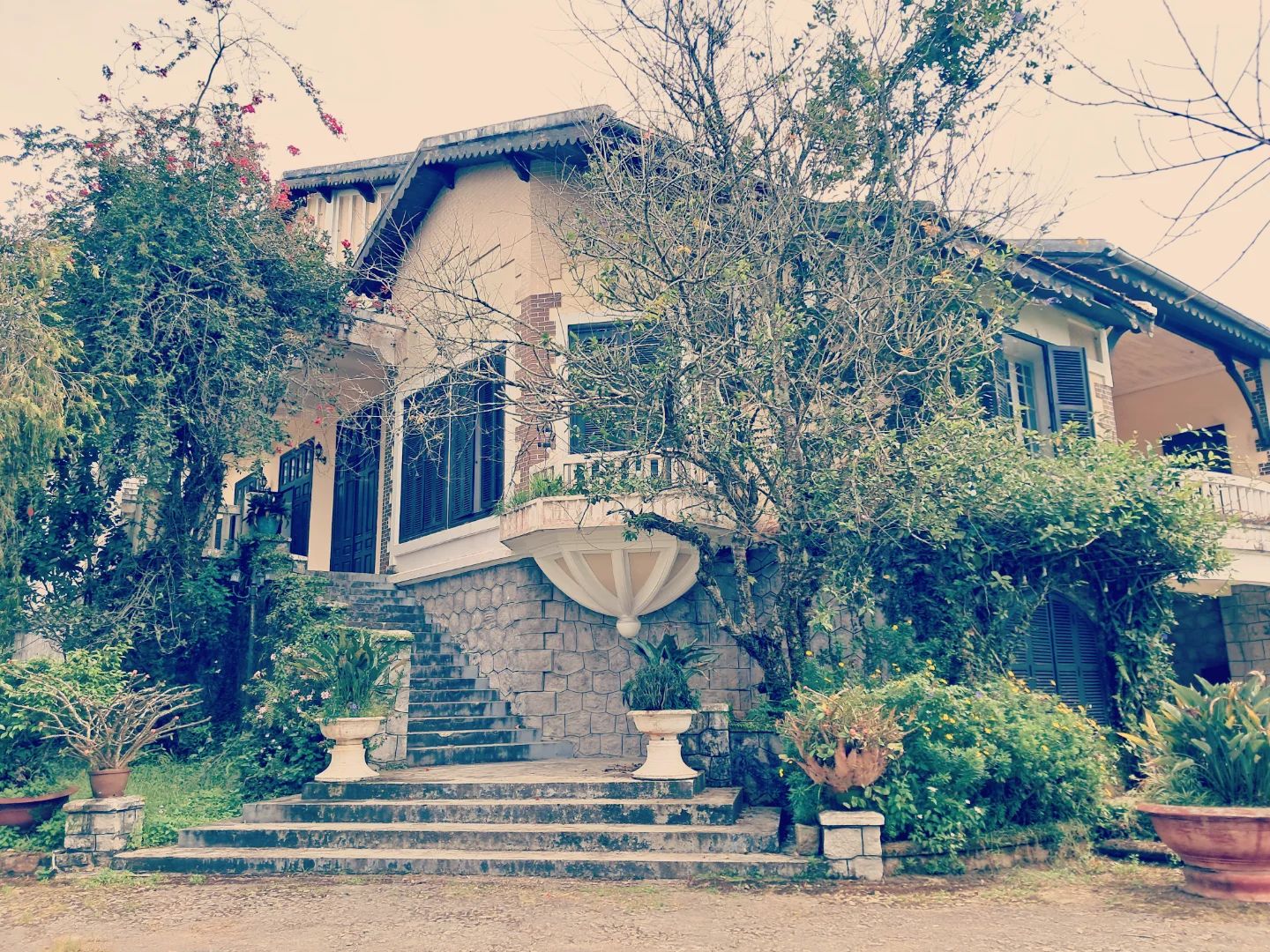
So when we single-handedly (and by that I mean no guide, no Google Map location or direction, no sign, no clue from the locals) found the entrance to what is now left of the French Quarter, or French Village of Dalat, the mind’s eye brought me back to those stifling summer nights from three decades ago, when I would have given a ride to the moon and back to just peek through the curtains of the mansion before it got hit by Heathcliff’s madness, grief, and thirst for vengeance. In my mind, I played with imaginary colorful slides: what the house would have looked like, had Heathcliff not left, had he not come back too late and too angry and vengeful, had Cathy admitted to her feelings of unimaginable bitterness when realizing she loved a man she could not — she would not love, in the end.
Truth be told, when I got to the French Quarter of Dalat, what reminded me most of that dreamed up Wuthering Heights were mostly the immense rooms, the unimaginably high ceilings, the grand and hard pieces of furniture, the hardwood floors, the canvas-like windows protected by the heavy wooden ceiling-to-floor shutters. I checked them all, and I had the distinct feeling that was how I would have imagined everything before the bitter feelings and the sad lives of the house’s inhabitants had forcefully imprinted on their lordly shapes and colors, before disrepair and despair hit them all with the force of a thousand wuthering heartbreaks. Physically, I could and should barely move, yet mindfully I was not only realms away, but also strolling through the vast spaces, getting lost among the enormous rooms and corridors.
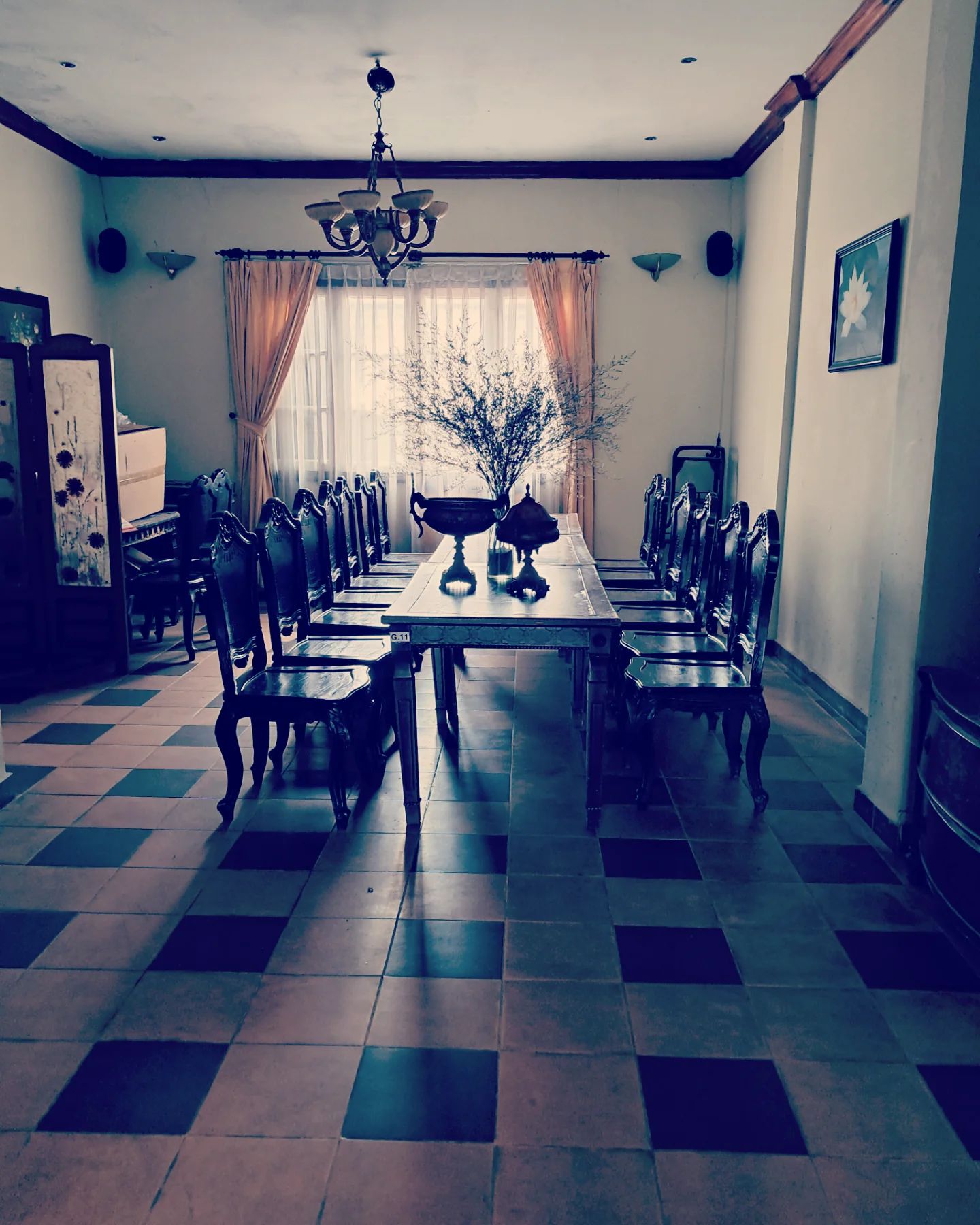

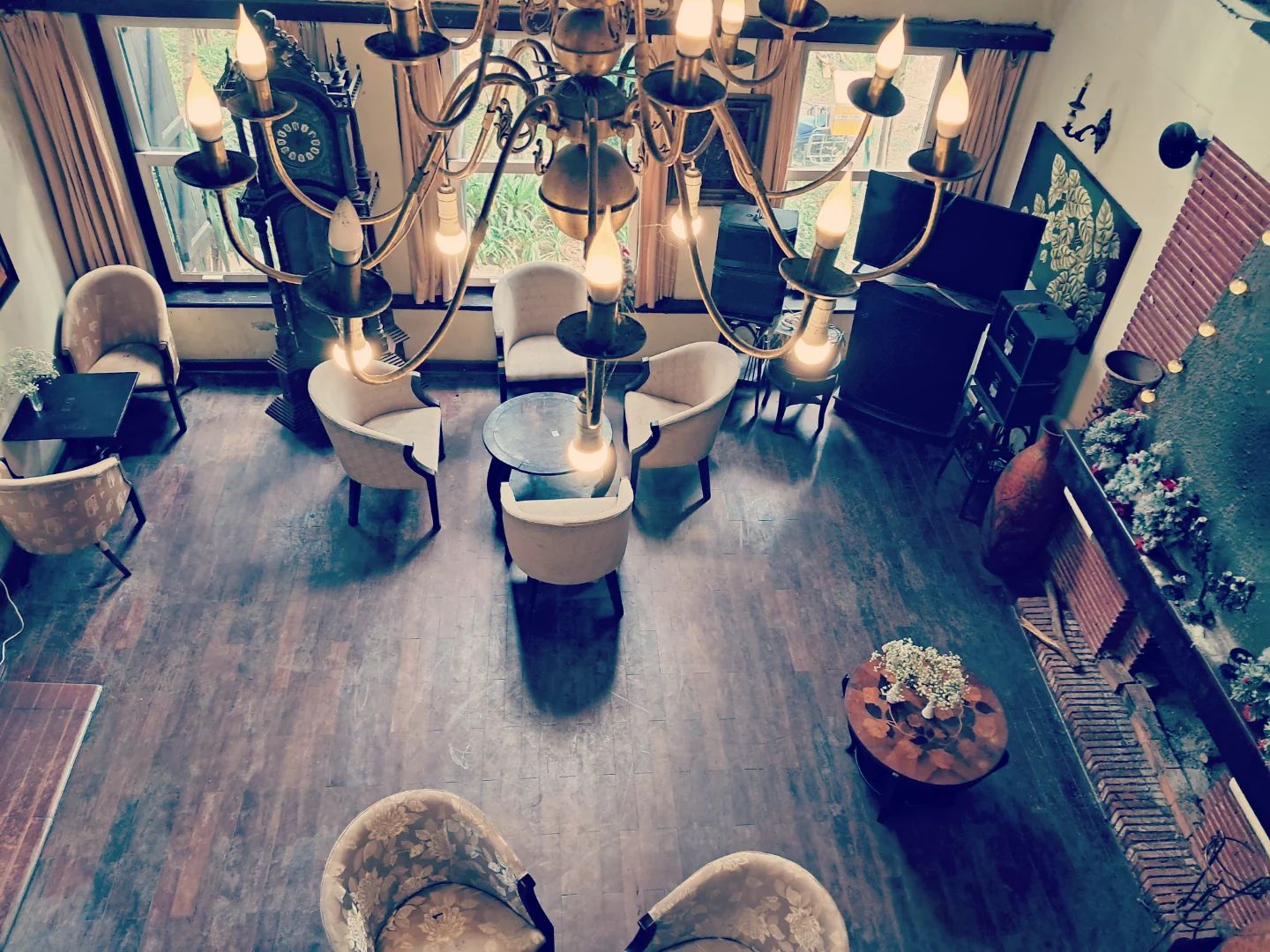
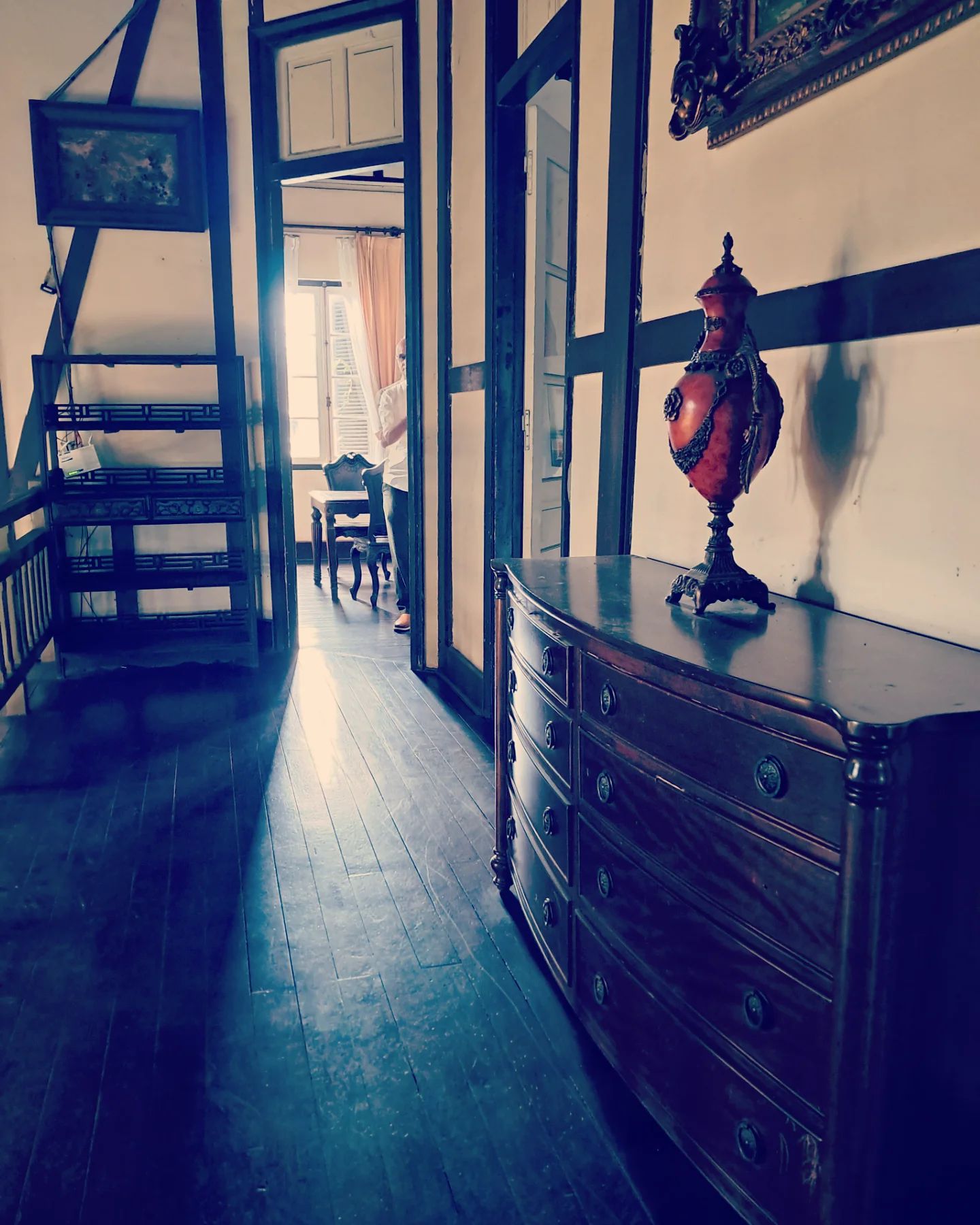

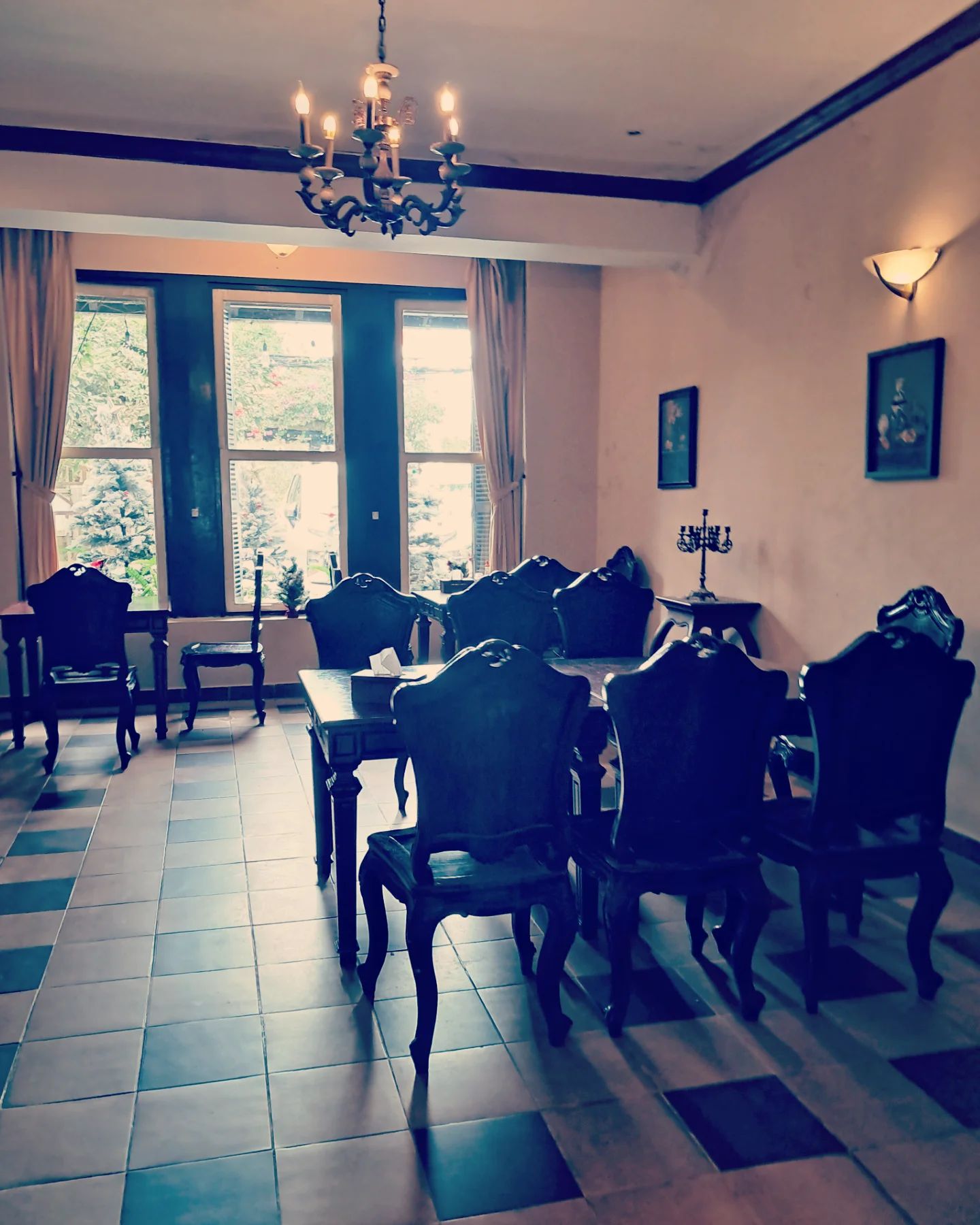
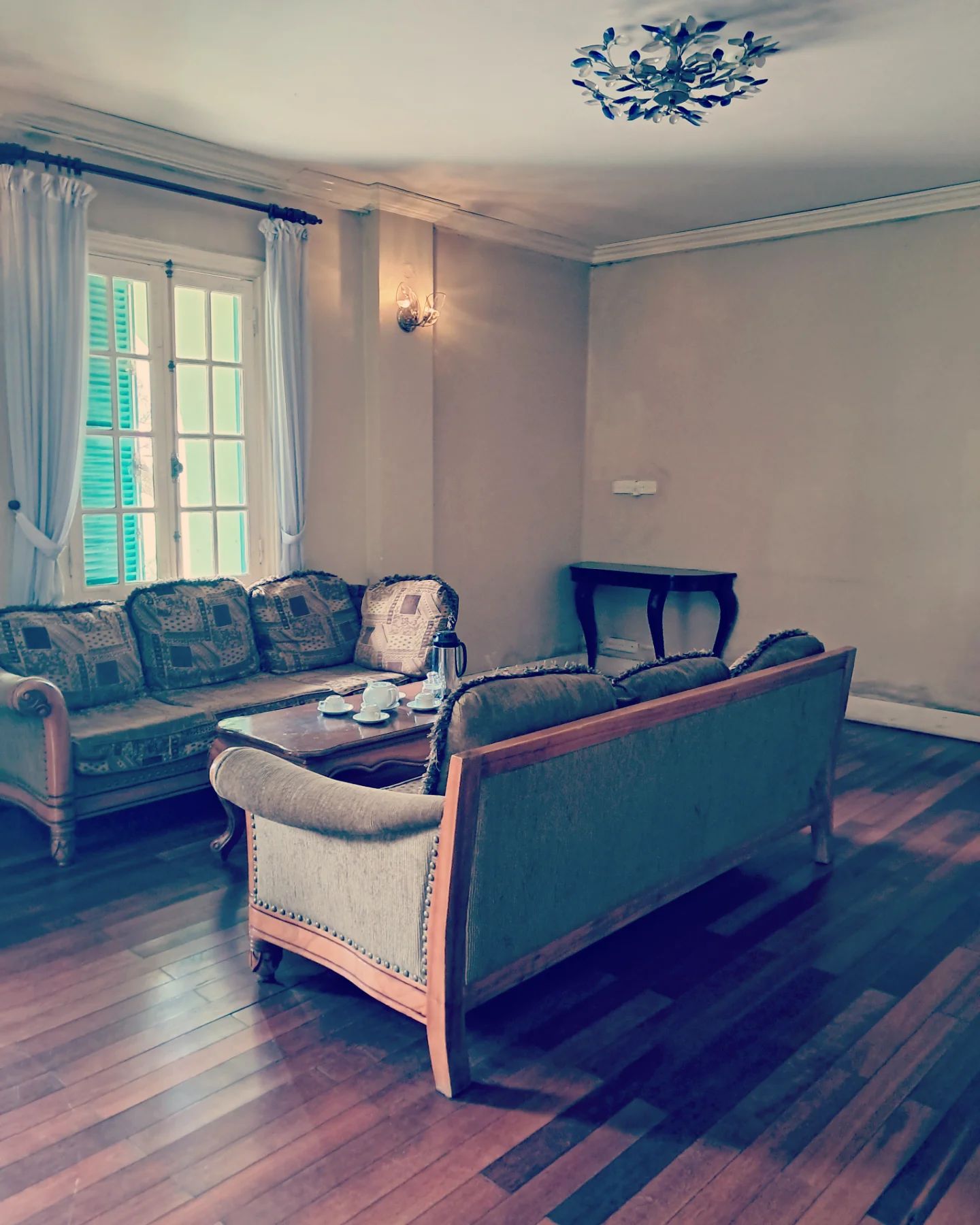
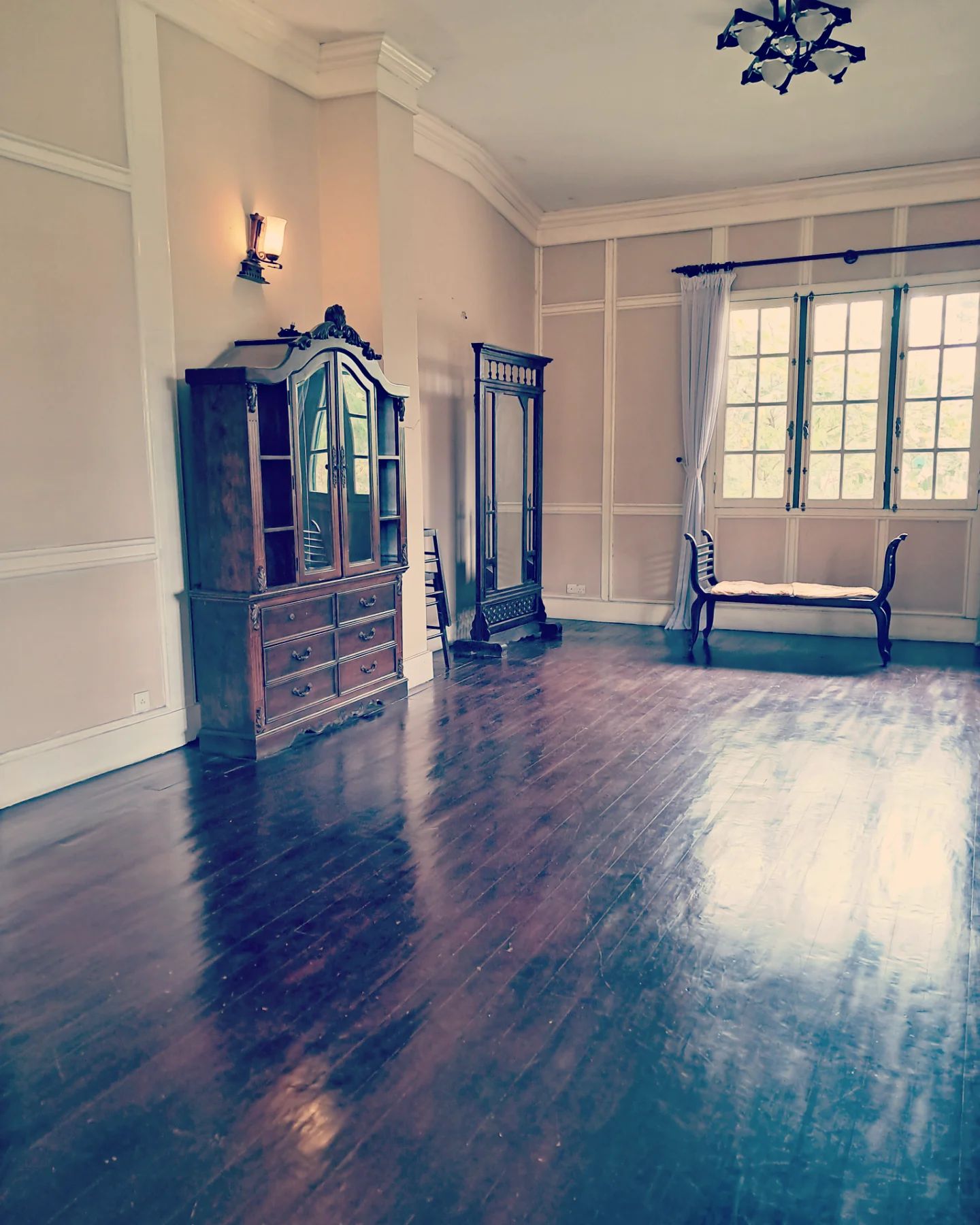

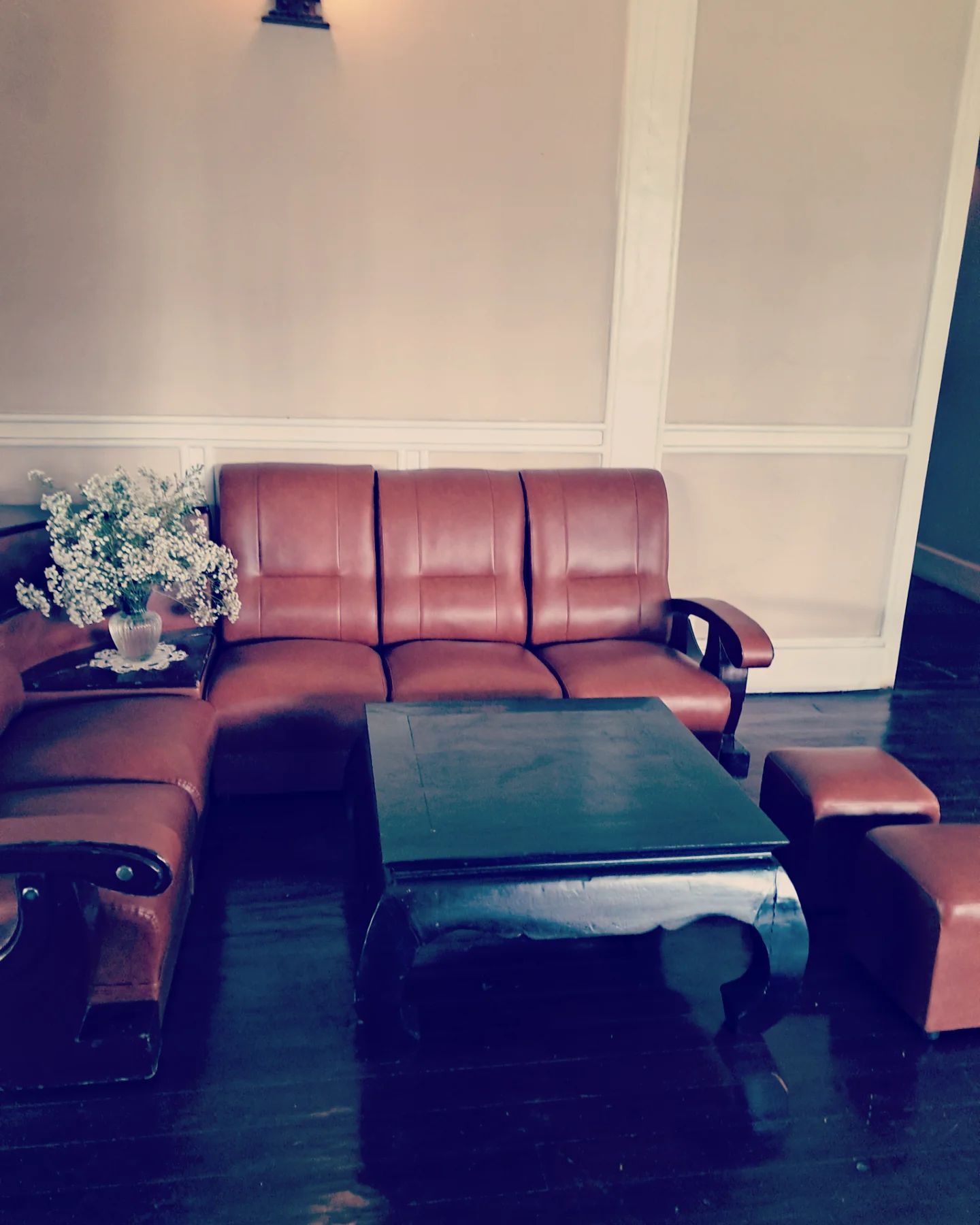
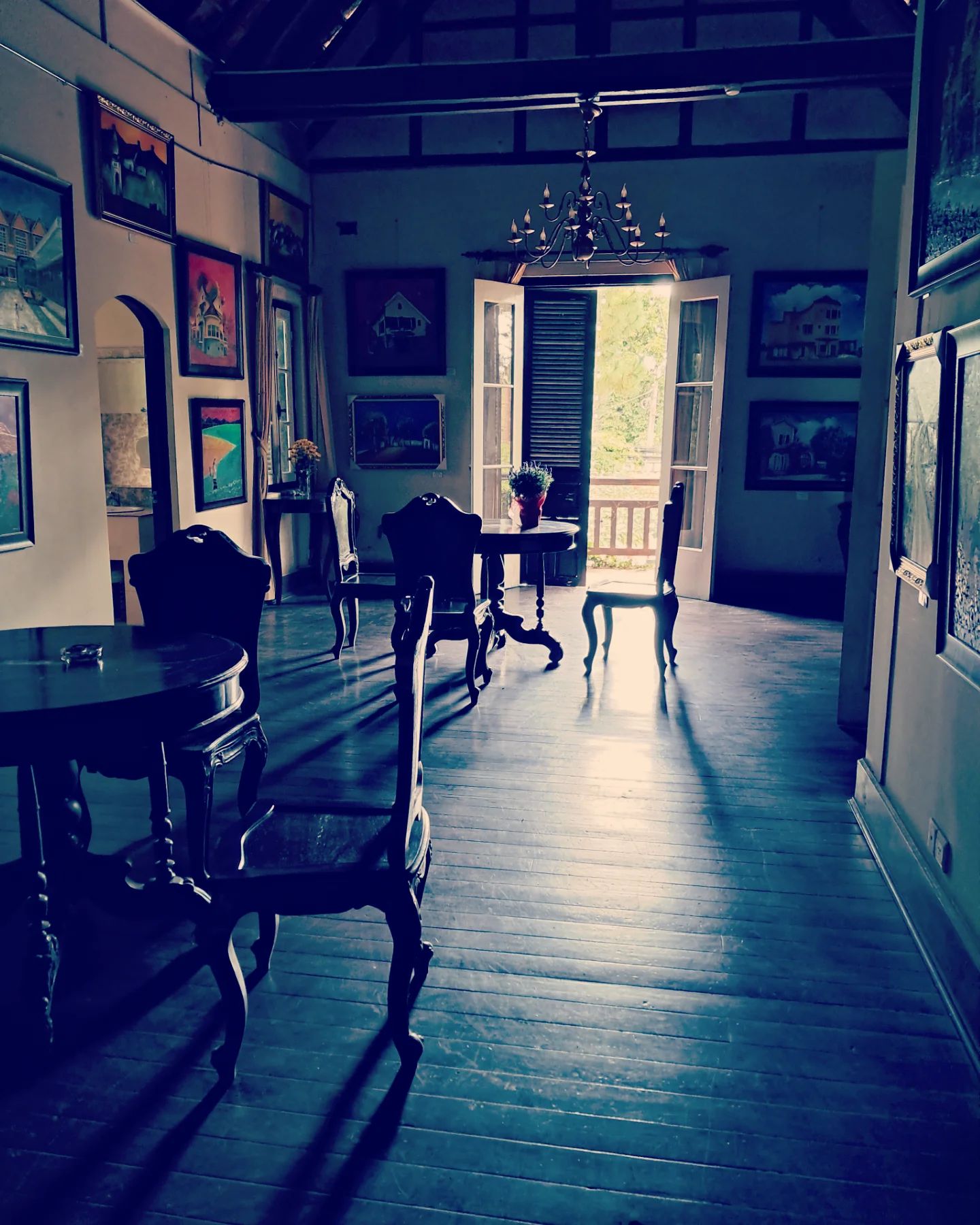
They say it’s disrepair that the beautiful colonial villas from the French Quarter in Dalat have fallen into, for lack of interest, investment or both, but I reckon it’s also despair. Maybe it’s disrepair as payback for decades of oppression and exploitation, the once-upon-a-time show of grandeur from the long gone oppressors. Could be it’s also the expression of despair with a touch of wicked callousness: why care for the houses of former colonialists, why keep them or preserve them, when there is the possibility of just letting them be, or rot, for that matter, in a live museum of sorts, where time slowly yet assuredly seeps through the foundations and passingly but clearly shows what is left of the mighty imperial French?
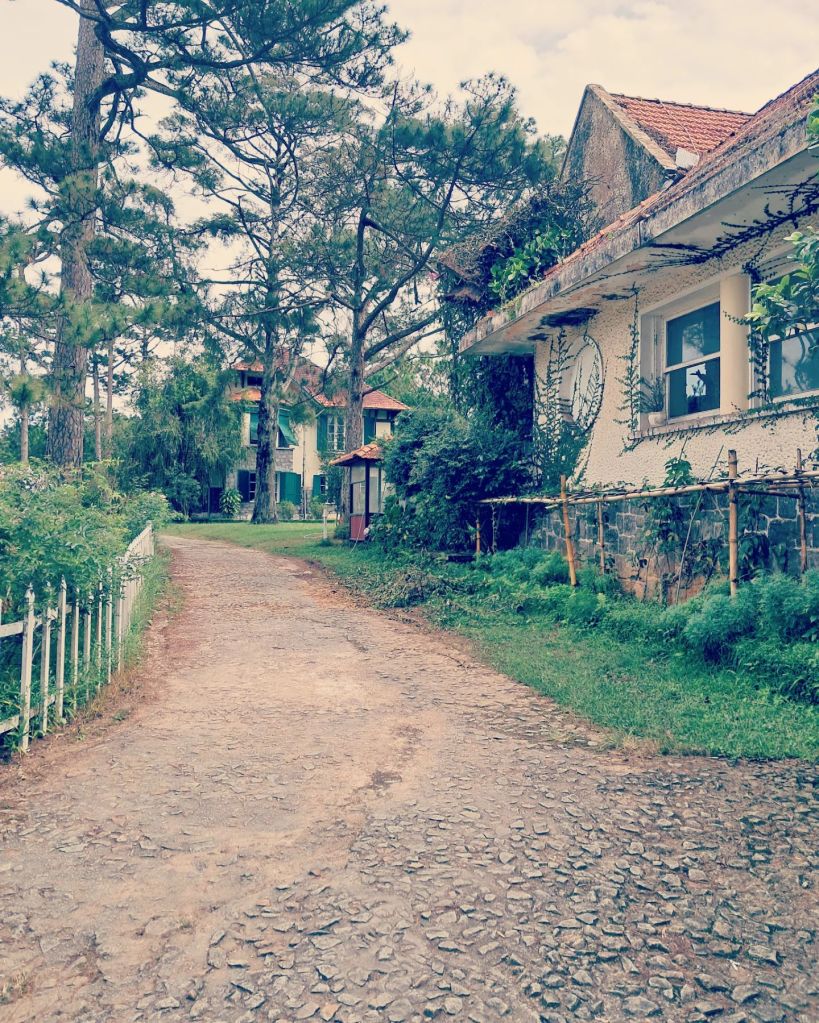
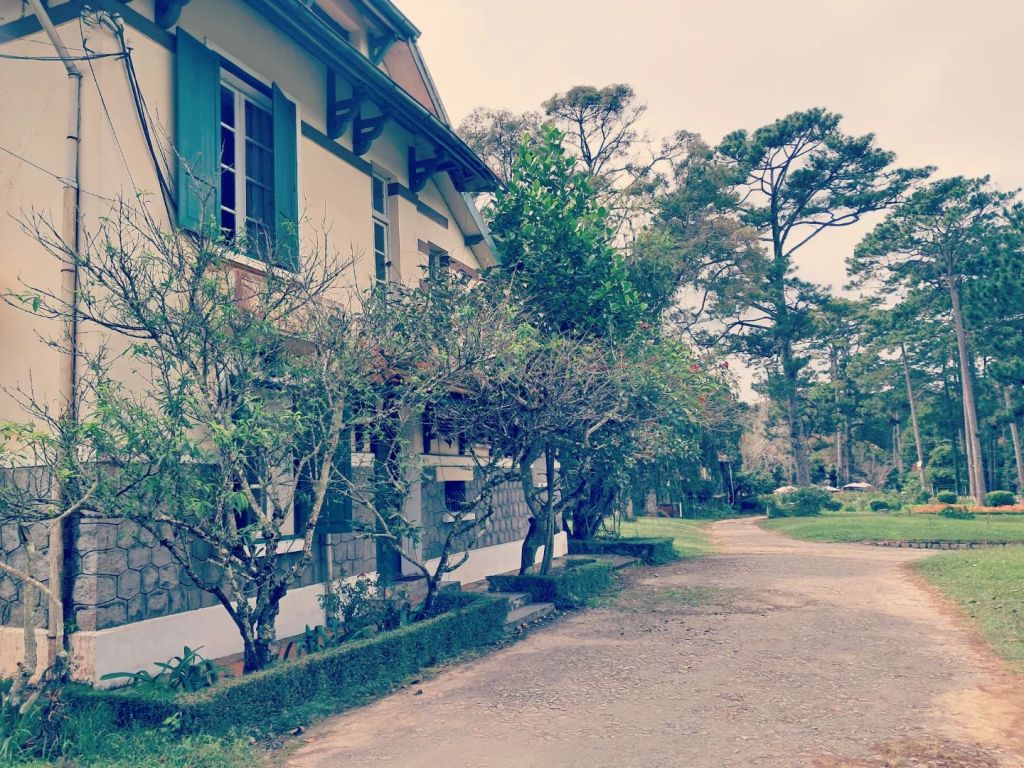
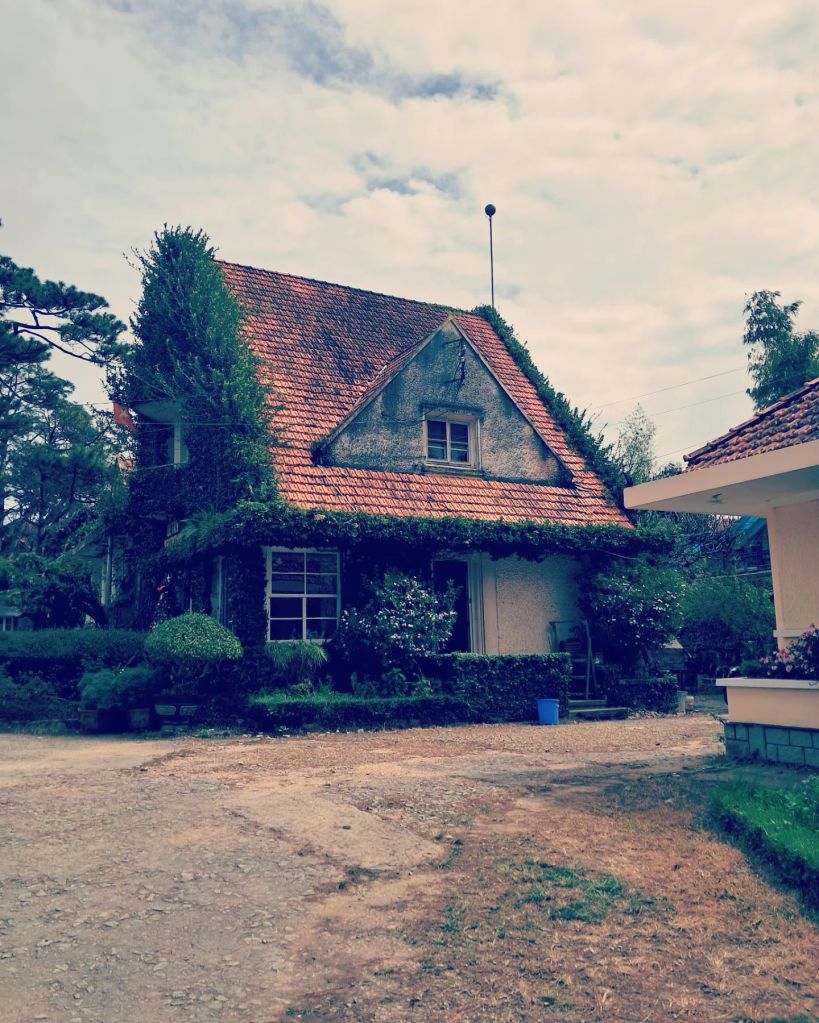
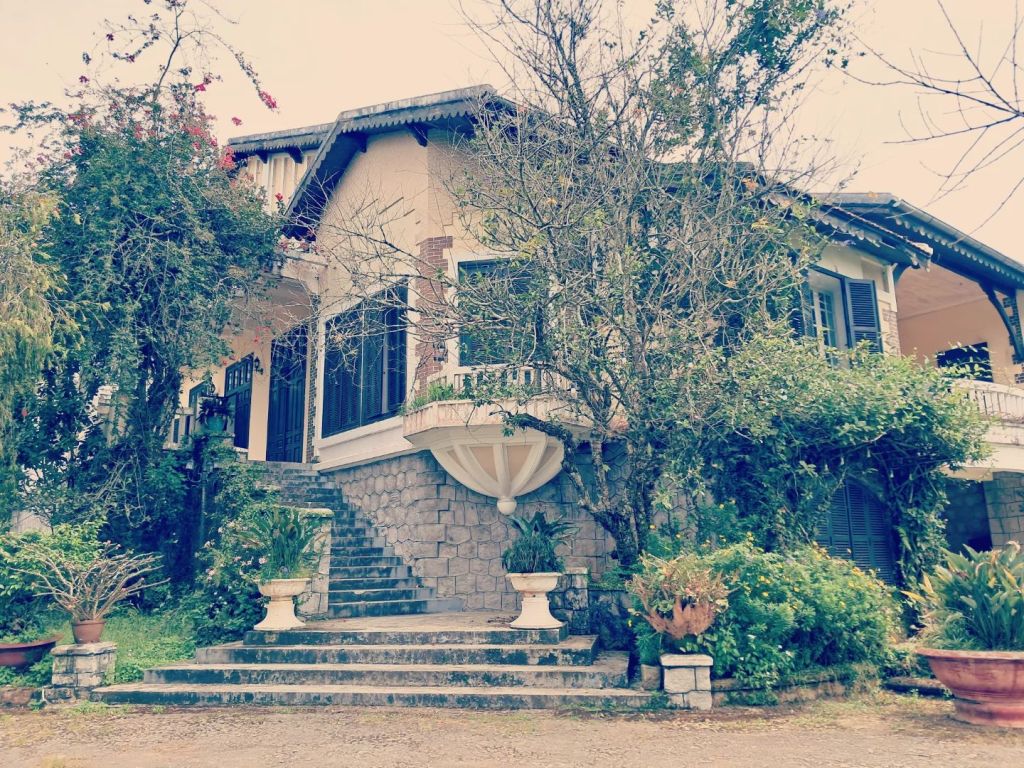

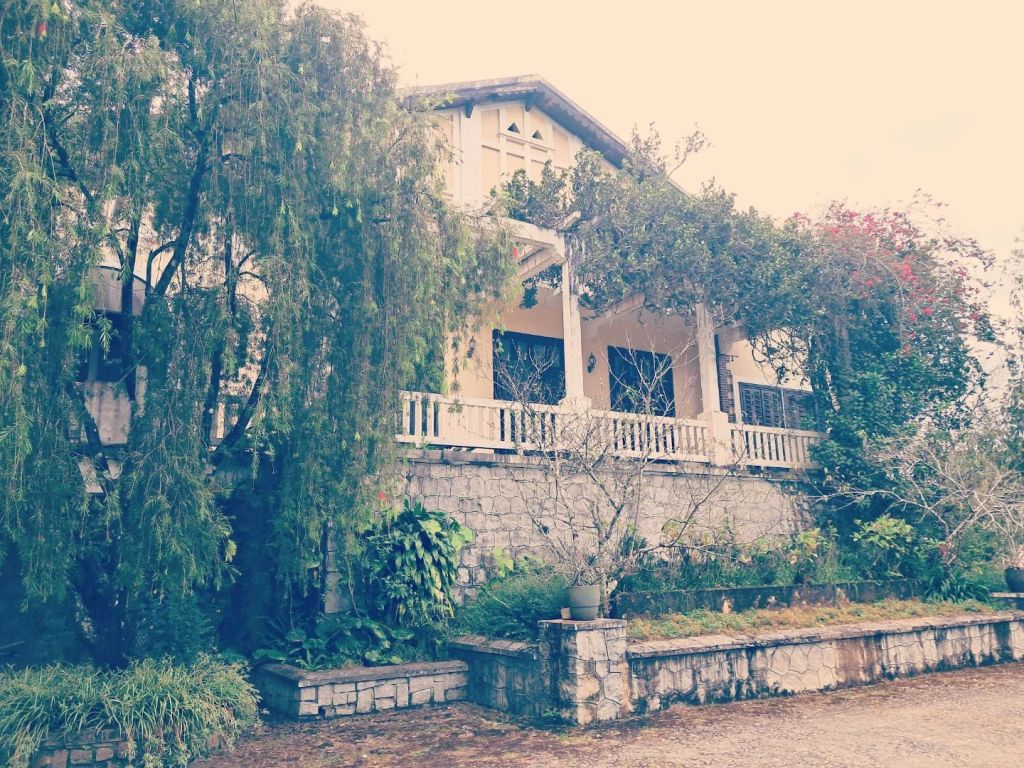
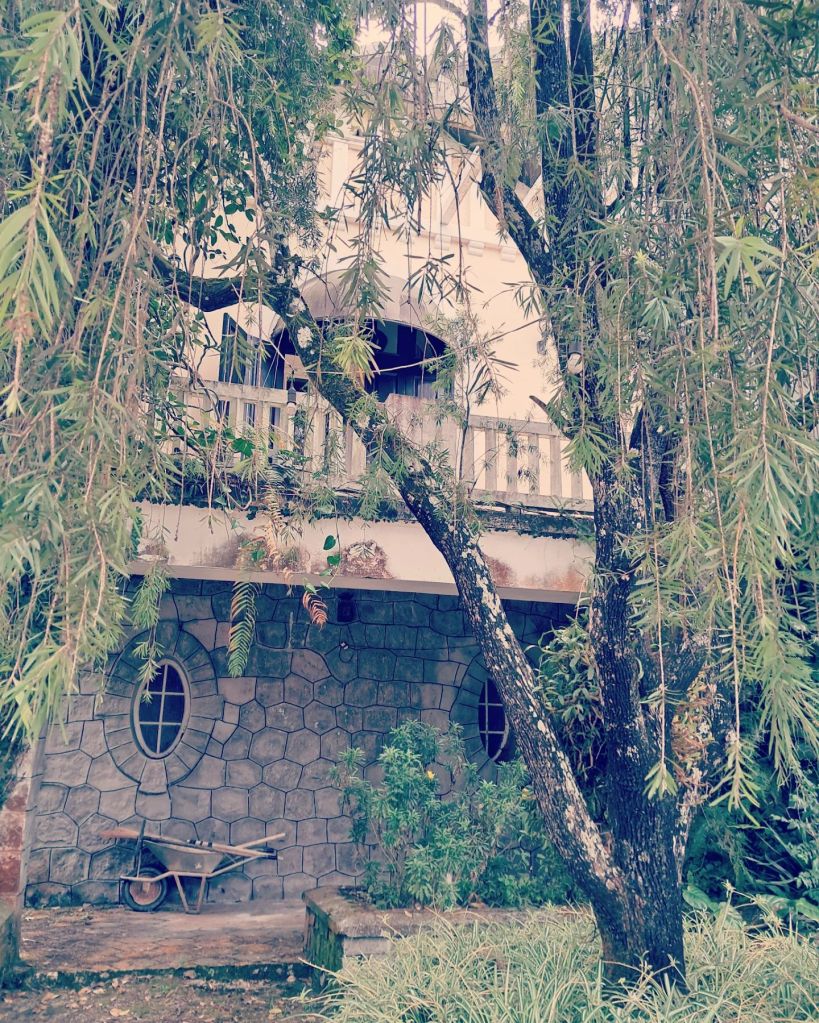
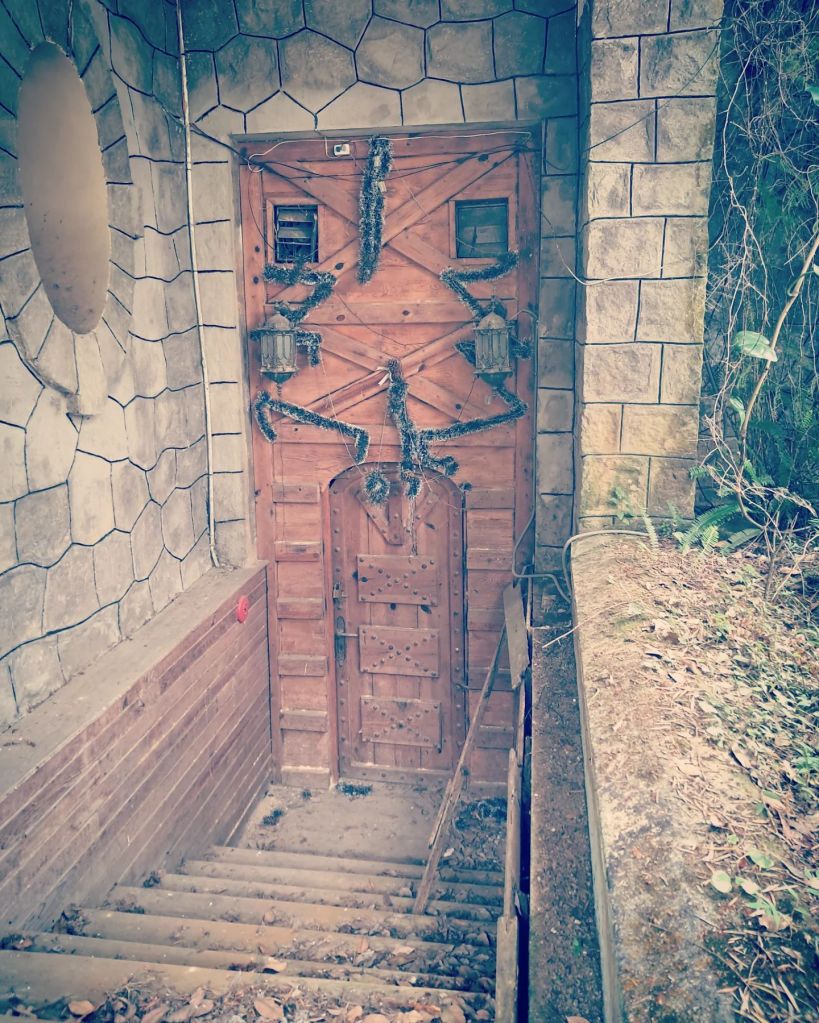
Disrepair is not even that obvious, unless you know to look closely. From a distance, or if just passing by, the unsuspecting touristy eye might even take everything for a vintage exhibition of colonial imperial manors from almost two centuries ago: the luxuriant vegetation from trees and bushes carefully planted around are not exactly taken care of, but not thoroughly left to die, either; the verandas, sundecks, and patios are clean and neat, albeit the lack of life, books, or plants; the open spaces are prepared to welcome visitors, even if not thoroughly openly or awfully wooingly.
Believe it or not, Wuthering Heights is a choice for location on Google Earth (whether an inn, a bar, a terrace, or even a dreamed up place somewhere in England) whereas the very real place, The French Quarter in Dalat — is not. It does not show on any map, it is not a museum, not an attraction of any kind, there are no information panels, there is no sign to guide you to or through it, there is no interest or motivation to make it more than it presently is: a quirky resort for the lovers of out of century carnivals.
You can book a room or a whole house and live there on a luxury accommodation basis. You would definitely manage to enjoy the peace and quiet, the fresh air, the high-end service, and the touch of vintage all the collective memories come with: nobility and imperial colonialism, the slow and comforting passage of time, the monumental spaces and above all, the privilege.
At some point, you may as well stumble upon the very real and visible announcement that the place is in need of investors and managers to do as they please and/or bring it to its former grandeur.



 Nefelibata
Leave a comment